Introduction
Schools and colleges are so much more than places to learn - they are communities bursting with energy, ideas, and youth eager to effect change. Whether a cultural festival, a sporting event, a community health awareness event, or a clean up campaign in the city, educational institutions can help provide a whole new dimension to your community event.
By teaming up with schools and colleges, event planners can engage larger audiences, access affordable venues, and increase the imagination and energy that comes from young people into the program. At the same time, students are exposed to real-world experiences, networking with community leaders and opportunities to participate in events that demonstrate their commitment to making a difference in their communities.
If you are thinking about planning your next community event and where or how to engage local schools and colleges, this guide will give you some examples and insights on how to partner with educational institutions wherever you are.
1. Reasons to Partner with Educational Institutions
a. Built-In Audience: Every school or institution has students, educators, and parents who provide a ready-made audience that will enhance attendance and engagement.
b. Resources and Infrastructure: There are usually auditoriums, outdoor fields, or sports fields, auditorium, or digital resources available on campus, which means delivering anything will be easy and economical.
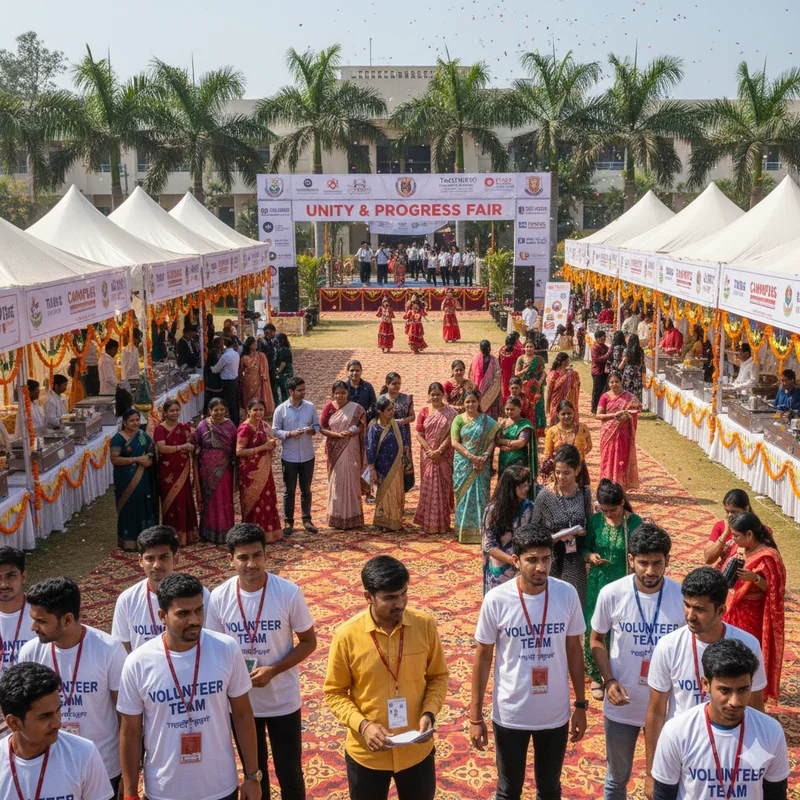
c. Enthusiastic Volunteers: Students are a source of enthusiasm, creativity, and energy for any initiative. Students offer wonderful supporters whether it's for registration, social media, or decorating the facility.
d. Mutual Benefit Partnership: A collaborative partnership is mutually beneficial. The partner organizations receive volunteer support and outreach, while the educational institution gains visibility, goodwill in the community, and opportunities for students to practice what they learn.
2. Identify the Right Institution
Not every school or college will fit every event. Choose one that aligns with your theme or purpose.
For example:
- A health awareness camp works best with nursing or medical colleges.
- A tech fair fits perfectly with engineering or IT institutes.
- A clean-up drive or tree-planting event may suit schools promoting environmental education.
Use LocalShouts (https://www.localshouts.com) to explore institutions already engaged in local events or open to collaborations in your area.
3. Approach with a Clear Proposal
When reaching out, schools and colleges appreciate clarity and professionalism. Draft a concise proposal that covers:
- Event Objective: What’s the purpose and who benefits?
- Roles and Responsibilities: What you expect from them and what you’ll provide in return.
- Benefits to Students: Certificates, experience, visibility, or project credits.
- Safety Measures: Assurance of compliance with safety and ethics guidelines.
- Visibility: Mention how their institution’s name and logo will appear in event promotions, such as banners, posts, and listings on LocalShouts.
Make sure the tone is collaborative, not transactional. You’re building a partnership, not requesting a favor.
4. Provide Educational or Social Good
Institutions like to partner on projects that offer students some form of demonstrable learning or social good. If you can include any of the following in your event, do it.
- Workshops or skills sessions that provide learning and employability skills.
- Social impact themes, ie., sustainability, gender equity, health.
- Competitions that produce creativity, problem solving, or innovation.
- Community service that supports their curriculum or CSR initiatives.
For example, if you are running an entrepreneurship fair in your local area, reach out to the local institution with a business program and invite the students to pitch startup ideas or assist with running a stall. This creates more of a learning and experience element to the event.
5. Create Student involvement in the Event
Instead of simply inviting students to attend, you need to make them part of the organization of the event.
Give students meaningful roles such as...
- event coordinators
- design and social media managers
- on-site volunteers
- logistics or hospitality leads
- photographer/videography teams
Having several students work on-site in these roles assists them in their own leadership and teamwork skills - often something institutions value very highly. It also encourages students to take ownership of the success of the event.
6. Leverage Campus Resources
Schools and colleges often have excellent resources you can tap into:
- Cultural clubs for performances and entertainment.
- Technical teams for stage setups, lighting, and audio.
- Media cells for photography, videography, and PR.
- NSS/NCC units for volunteering and crowd management.
These groups are usually eager to collaborate when they see a real-world application of their skills. Don’t hesitate to involve faculty advisors — they can guide students and help ensure smooth coordination.
7. Promote the Collaboration
Once the partnership is confirmed, highlight it across all communication channels.
- Tag the school or college in your social-media posts.
- Include their logo in your event posters, invites, and LocalShouts listing.
- Encourage students to share promotional posts to create organic buzz.
Such mutual visibility builds credibility and ensures that both the institution and your event get maximum recognition.
8. Keep Logistics Simple
Educational institutions have strict schedules and limited flexibility. Plan the event around their calendar — avoiding exams, holidays, or major academic functions.
Coordinate early for permissions related to:
- Venue booking
- Parking and crowd management
- Security and safety approvals
- Equipment setup (sound, lighting, stalls, etc.)
The smoother the logistics, the stronger your relationship for future collaborations.
9. Publicly Recognize Contributions
After your event, show gratitude to the colleges, faculty and students involved.
- You can send them certificates of participation or appreciation letters.
- Highlight some of their contributions on the event’s LocalShouts page.
- Send thank-you notes or even a shout-out on social media.
These small gestures can help solidify long-term partnerships and open doors to possible future events.
10. Solicit Feedback and Reflect
Always end with gathering feedback from students, and faculty. It allows you to improve for the next collaboration.
You can ask:
- What worked well?
- What could be improved for next time?
- How do we make it more meaningful for students?
Sharing this feedback with the institution will show professionalism and an ongoing commitment to development.
11. Examples of School-College Collaborations
- Environment Day Drives: Colleges would partner with municipalities for tree plantings or clean-up days. ”
- Cultural Festivals: Schools team with NGOs, showcasing art, dance and drama that focus on social consciousness.
- Health Camps. Nursing colleges do free health check-ups with local hospitals.
- Startup fairs: Management students serve to assist local vendors in planning entrepreneurship expos.
All of these will include strengthening community connections while providing other experiences and opportunities.
12. How LocalShouts Makes Collaboration Easier
LocalShouts (https://www.localshouts.com) simplifies every step of connecting with schools and colleges for your local event:
- Discover Institutions: Browse listings and find potential partners near your location.
- Promote Your Event: Post your event details with school/college logos for added credibility.
- Invite Volunteers: Reach students who are looking for meaningful projects.
- Build Long-Term Partnerships: Use event insights and feedback to plan recurring collaborations.
By blending local networking with digital visibility, LocalShouts helps organizers and institutions co-create impactful, well-attended events.
Conclusion
Collaborating with schools and colleges is one of the smartest ways to make local events more vibrant, meaningful, and successful. Educational institutions bring energy, infrastructure, and credibility, while event organizers provide exposure, learning, and social impact.
When both sides work together, the result is a community that learns, celebrates, and grows together. With tools like LocalShouts (https://www.localshouts.com) making these connections easier than ever, there’s no reason your next event shouldn’t have students and educators right at its heart.
FAQs
1. Why should event organizers collaborate with schools or colleges?
Because it offers access to youth participation, venues, and a built-in audience, while providing learning opportunities for students.
2. What types of events work best for educational collaboration?
Workshops, awareness drives, cultural fests, tech fairs, sports meets, and entrepreneurship expos.
3. How can I contact schools or colleges for collaboration?
Start by identifying relevant institutions and sending a clear proposal highlighting mutual benefits. Platforms like LocalShouts help you find local contacts.
4. What value do students gain from participating in events?
They develop leadership, communication, and organizational skills while gaining certificates and real-world exposure.
5. How can LocalShouts assist in these collaborations?
By connecting organizers with local schools and colleges, offering event promotion tools, and expanding community visibility.
6. What are common mistakes to avoid?
Not aligning the event with academic schedules, unclear communication, and failing to acknowledge student contributions.


