Introduction
In many Indian urban areas, small towns and localities, the core of commerce is not really in malls or online - but rather in the lively and colorful street markets and pop-up fairs that inspire communities. From places to purchase holiday and handmade crafts to organic produce and food on weekends, local events like this are strong local community spaces for showcasing small and micro businesses, engaging in real life with actual customers, and building trust in brands.
Running a street market or pop-up fair does not require massive infrastructure or huge amounts of capital. What will be needed instead is vision, planning and preparation, collaboration, and community involvement. If done well, a street market or pop-up fair can benefit the community's local economy, strengthen social bonds, and create extraordinary experiences for vendors and visitors alike.
If you have ever thought about organizing a local pop-up fair or street market event for small businesses or artisans, or for local brands, this guide will walk you through step-by-step strategies for creating your local street market or pop-up fair in India.
We will also look at how platforms like LocalShouts (https://www.localshouts.com) can help you in your fair or market by promoting your event, drawing people to your event, and connecting vendors to participate — so you can be assured your fair or local event gets noticed and shared.
1. Understanding What Makes a Street Market or Pop-Up Fair Special
A street market or pop-up fair is more than just a place to sell. It’s an experience — a celebration of community creativity, local business, and culture. Unlike permanent stores, pop-up fairs create a sense of urgency and excitement because they’re temporary. People come for the unique products, the live performances, and the festive vibe.
In India, these markets often happen during weekends, festivals, or holidays — from craft fairs in Delhi’s Dilli Haat to pop-up food bazaars in Bangalore. For small entrepreneurs, these events are a gateway to exposure and real-time feedback.
When you use LocalShouts (https://www.localshouts.com) to list or promote such markets, you ensure locals can easily discover them through verified event listings, helping you draw bigger, more targeted crowds.
2. Identifying the Purpose and Theme of Your Market
You'll want to identify why you're hosting the event and what type of market you would like to have before you move on to other considerations. A firm purpose will strengthen every decision you make from the venue to the vendors. Some commonly used themes are:
- Handmade & Artisanal Fair: Ideal for attracting local makers of crafts, jewelry, or pottery.
- Food & Beverage Market: Perfect for local home cooks, bakers, and purveyors of organic foods.
- Sustainability Market: Focused on eco-friendly and zero-waste products.
- Fashion & Lifestyle Pop-Up: Featuring local clothing brands and accessories.
- Community Market: A combination of local makers, businesses, and cultural activities.
The purpose and theme of your event are critical in curating market stalls, engaging the right vendors, and attracting the right target audience. The event description on the LocalShouts event page provides a good visual for the theme.
3. Selecting the Right Location
Location can make or break your event. The perfect site is one that’s accessible, safe, and visible — ideally with steady foot traffic. Here are some location ideas for Indian cities and towns:
- Open parking lots or community centers
- College or school grounds (with permission)
- Municipal parks or auditoriums
- Market streets that can be temporarily closed for the event
- Rooftop or courtyard spaces for boutique pop-ups
Ensure the venue is accessible by public transport and has nearby parking. Also, check for required permissions from your local municipal corporation or ward office.
Once confirmed, add the venue pin and photos to your LocalShouts (https://www.localshouts.com) event listing to help attendees locate it easily.
4. Getting the Necessary Permissions
Every local market needs official approvals. While requirements vary by city, here’s a basic checklist for Indian event organizers:
- Municipal permission for using public spaces.
- Police or traffic approval if the event affects roads or public flow.
- Fire and safety clearance for larger gatherings.
- Food safety licenses if vendors sell consumables.
- Music or entertainment license if you plan performances.
Having clear documentation ensures a smooth event and builds credibility with vendors and sponsors.
5. Planning the Layout and Vendor Setup
An organized layout helps your market look professional and visitor-friendly. Start by sketching a simple floor plan. Divide spaces into:
- Vendor Stalls: Each with clear boundaries, signboards, and power access.
- Walkways: Wide enough for comfortable crowd flow.
- Food & Seating Area: For rest and refreshments.
- Stage or Activity Zone: For live shows, workshops, or music.
- Registration & Help Desk: For visitors and vendors.
Provide amenities like drinking water, garbage bins, and restrooms. Remember, the experience matters as much as the products.
Uploading your event layout and stall availability on LocalShouts can help vendors easily book spaces and customers visualize what to expect.
6. Finding and Managing Vendors
Vendors are the heart of your street market. Reach out to small business owners, artisans, local food makers, and creative professionals. You can find them through:
- Community WhatsApp groups and Facebook pages
- Local business directories and LocalShouts (https://www.localshouts.com)
- College entrepreneurship cells or local artist groups
- Past trade fair participants
Once selected, brief vendors about rules, booth setup timing, payment terms, and display guidelines. Consider organizing a short vendor orientation session before the event to ensure consistency and cooperation.
7. Budgeting and Funding Your Event
Creating a pop-up market doesn’t always require big money, but financial planning is essential.
Your main expenses will include:
- Venue rental and permissions
- Stalls, tents, and décor
- Marketing and digital promotion
- Electricity and security
- Entertainment and logistics
Funding Options:
- Vendor participation fees
- Local business sponsorships
- Small ticket entry for visitors
- Crowdfunding within your community
For example, you could offer tiered stall pricing — premium stalls near the entrance cost slightly more.
Listing your event on LocalShouts also adds professional value when approaching sponsors, as they can see it featured on a credible local platform.
8. Marketing Your Market Online
All the planning in the world will not mean much without a way to get the word out about the market. Digital marketing is important for spreading the word and ensuring that people know your market is happening before it starts.
Some methods to achieve this are:
- Listing your event on LocalShouts: This is simply the easiest way that people nearby can access verified events in their city.
- Creating an event on social media: Post updates of the market on Instagram, Facebook, WhatsApp, etc.
- Engaging local influencers: Ask them if they would be interested in previewing your market or hosting an Instagram Live.
- Sharing vendor stories: Feature your market participants, whether that might be their crafts, food, ideas, etc. to help create interest in the event.
- Asking vendors to post about their involvement: By posting a few times your vendors are also acting as micro-promoters to their friends, family, and social media circles.
There are further benefits to cross-linking your LocalShouts page with your social media posts to ensure local SEO and make your event discoverable locally.
9. Thinking Through the Visual Experience
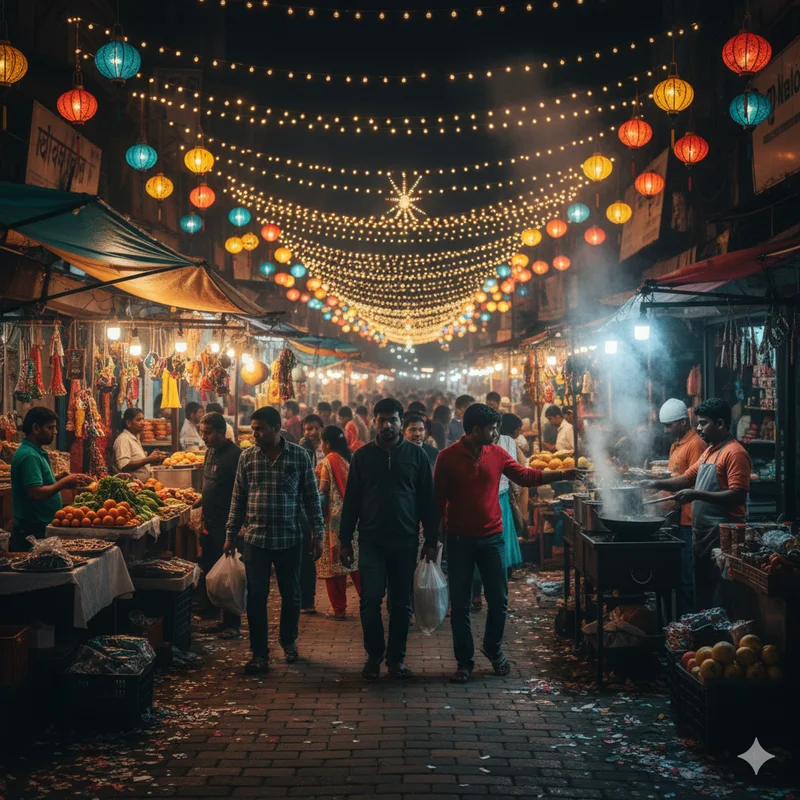
You want a street market to visually appeal to people. Use decorative elements that compliment your market theme - you can significantly alter the visual impact by using string lights, colorful fabrics, chalkboard signs, banners with your event name, etc.
You do not need to have large amounts of money to have these projects completed either — tape the work with local artists and/or design students, they often will help with the projects in exchange for name recognition or for a set fee.
It's also important to make sure your brand name and LocalShouts (https://www.localshouts.com) listing are included on signage and posters, so visitors can find your information online for future events, etc.
10. Adding Entertainment and Engagement
People come to markets not just to buy, but to enjoy. Include activities that keep the crowd entertained and increase footfall duration. Ideas include:
- Live music or open mic sessions
- Food tasting corners
- DIY workshops or art stations
- Children’s play zones
- Lucky draws or contests
These experiences encourage repeat visits and word-of-mouth publicity — the best form of local marketing.
11. Ensuring Hygiene and Safety
Health and safety are non-negotiable. Provide waste bins at regular intervals, maintain clean food zones, and ensure vendors follow hygiene standards.
If your market includes food stalls, ensure basic food handling rules are followed, including gloves, clean counters, and proper waste disposal.
For larger events, hire security guards or volunteers to manage the crowd and keep pathways clear.
Highlighting these safety measures on LocalShouts reassures visitors and families that your market is well-managed.
12. Engaging the Local Community
A successful street market feels like a community celebration, not a commercial setup. Get local schools, NGOs, and resident associations involved. Invite college students as volunteers or performers.
Encourage local startups and artisans to showcase their creativity. The more community participation you have, the stronger the sense of belonging — which leads to higher attendance and recurring interest.
By featuring your market on LocalShouts (https://www.localshouts.com), you give your event an identity that locals recognize and trust.
13. Managing Event Day Operations
On event day, coordination is everything. Assign small teams to handle:
- Stall setup and logistics
- Entry management
- Customer assistance
- Finance and vendor support
- Clean-up and safety
Keep communication channels open through walkie-talkies or group messaging apps. Ensure every vendor knows who to contact for issues.
Capture photos and videos throughout the event — these visuals are gold for post-event marketing on LocalShouts and social platforms.
14. Post-Event Follow-Up and Evaluation
Once your market concludes, the journey isn’t over. Follow up with vendors, attendees, and sponsors to gather feedback. Ask questions like:
- What went well?
- What could improve?
- Would you participate again?
Share post-event highlights on LocalShouts, tag vendors, and upload images. This not only boosts your next event’s visibility but also builds a loyal community around your brand.
15. Make It Regular
If your pop-up fair is successful, you might want to make it seasonal or regular, such as a monthly event. Regular markets tend to develop local followings and create some familiarity — just like night bazaars or weekend craft fairs.
A consistent schedule will cultivate an ongoing audience that enhances future sponsorships and media coverage, as well as vendor participation.
Our ongoing listings on LocalShouts keep you in front of participants but also encourage participation in your market by providing visibility, and keeping a digital presence for your market across India.
Conclusion:
Developing a street market or pop-up fair in India is an opportunity for commerce and community. It builds relationships between small businesses, artisans, and locals - and everyone loves a little local creativity and entrepreneurship. When you mix offline events with online promotions on LocalShouts (https://www.localshouts.com), your market becomes part of a much larger local community organizing itself through authenticity. It has visibility, an identifiable source to count on and search for as they educate themselves and inspire authentic experiences.
So whether you're organizing a weekend food bazaar, a craft pop-up or cultural fair, take the first step. Bring your community together, establish a purpose, and LocalShouts can help you make it the talk of the town!
FAQs
1. What permissions are required to host a street market in India?
You’ll need municipal or panchayat permission, fire and safety clearance, and, for food stalls, FSSAI compliance. Rules vary by city, so check with your local civic body.
2. How can LocalShouts help in promoting a pop-up fair?
LocalShouts (https://www.localshouts.com) helps event organizers list and promote their fairs to nearby audiences, increasing visibility, credibility, and attendance.
3. How do I find vendors for my market?
You can reach vendors through social media, community groups, or by exploring small businesses listed on LocalShouts. Word-of-mouth and referrals also work well.
4. What’s the ideal duration for a pop-up fair?
Most fairs run for one to three days. Weekends are ideal since they attract more families and casual shoppers.
5. How can I make my street market profitable?
Charge reasonable vendor fees, secure local sponsorships, and ensure high footfall through effective promotion on platforms like LocalShouts.
6. What are the common mistakes to avoid?
Lack of permissions, poor layout, weak marketing, and ignoring safety or waste management are major issues. Planning early helps prevent them.


