Introduction
Receiving local press coverage is one of the greatest ways to create awareness and credibility for your event. Whether you are throwing a cultural fair, hosting a workshop, organizing a charity drive, or having a music night, local media can help you spread your message to the right people. For small and micro businesses in India, local newspapers, local radio, and online local news portals can help you achieve more attendance and grow awareness around your brand.
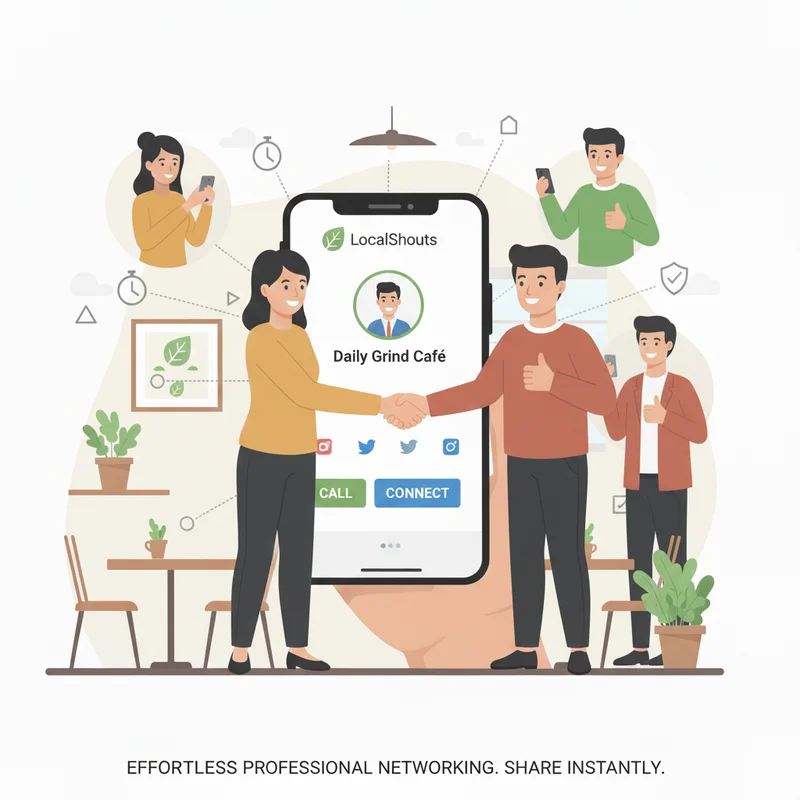
LocalShouts (https://www.localshouts.com) can also help connect event organizers to local media and audiences, increasing reach digitally and through community connections.
This article will walk you through step by step how to get your event in front of the local press, and how to best take advantage of media opportunities around you.
Why Local Press Coverage Matters
Local media outlets—newspapers, magazines, radio, and digital platforms—are trusted by their communities. When they feature your event, it acts as a stamp of credibility and trust. For small business owners, this exposure can:
- Drive footfall and registrations for the event.
- Increase awareness about your brand or products.
- Create long-term recognition in the local market.
- Encourage repeat coverage for future events.
In short, press coverage is not just about publicity—it’s about building community trust and engagement.
Step 1: Build Relationships with Local Journalists
The first step to gaining media coverage is building relationships. Journalists receive hundreds of event pitches, so personal connection matters.
Tips to build rapport:
- Research relevant journalists – Identify reporters who cover local events, business stories, or community happenings in your area.
- Engage early – Follow their work on social media, comment thoughtfully, and share their stories.
- Send personalized messages – When reaching out, mention their past coverage and why your event could interest their readers.
- Be respectful of their time – Keep your messages short, polite, and informative.
When you establish trust with journalists, you increase your chances of being featured regularly—not just once.
Step 2: Craft a Newsworthy Story
Media outlets care about stories that inform, inspire, or impact their audience. Instead of pitching your event as “just another show,” frame it as a story.
For example:
- “How local artisans are reviving traditional crafts through a weekend market.”
- “A youth-led cultural event promoting sustainable fashion in small towns.”
Ask yourself:
- Why should people care about this event?
- What problem does it solve or what experience does it create?
- Who benefits from it (e.g., local artists, women entrepreneurs, students)?
The stronger your narrative, the easier it is for journalists to visualize and report on your event.
Step 3: Craft a Professional Press Release
A press release is a single page developed to provide all essential information concerning your event to the media.
Your press release should consist of:
- Headline: It should be concise and catchy (e.g. “Local Artisans Come Together for a Weekend of Craft and Culture in Nashik”).
- When and Where: Be explicit in noting the date, time, and place of the event.
- What to Expect: Clearly outline what is happening or what the event will feature, and explain what is unique about it.
- Quotes: Two or three short quotes from an organizer, a sponsor, or a performer will enhance your press release.
- A Call to Action: Create a reason for the reader to either attend or register.
- Contact Information: Provide your phone number, e-mail and website link.
Once you have finished the press release, please consider downloading high-resolution event photos or flyers. Journalists appreciate related visuals.
Consider sharing your press release via LocalShouts (https://www.localshouts.com), which takes the press release and shares with their community of local events enthusiasts and on social media.
Step 4: Utilize Digital Sources and Local Blog Sites
While newspapers are still important to get your coverage, online coverage travels faster. Think about reaching out to:
- Local news websites.
- Community blog or influencers.
- City based event listing sites.
- Online radio or YouTube talk shows.
For example, a small business hosting a food festival in Pune could contact Pune Mirror, Curly Tales, or hyperlocal bloggers who cover events and lifestyle updates.
Platforms like LocalShouts act as a bridge between event organizers and online visibility by listing and promoting your event to digital audiences who are actively looking for local happenings.
Step 5: Use Social Media to Attract Press Attention
Many journalists now discover stories through social media. Use your event’s Instagram, Facebook, or LinkedIn pages to showcase behind-the-scenes updates, countdowns, and teasers. Tag local media handles, community pages, and influencers.
Tips:
- Use relevant hashtags like #LocalEvents #YourCityName #CommunityFair.
- Tag reporters or publications you want to attract.
- Encourage attendees or vendors to share and tag your event page.
When media outlets see your event gaining buzz online, they’re more likely to feature it.
Step 6: Invite Media to Your Event
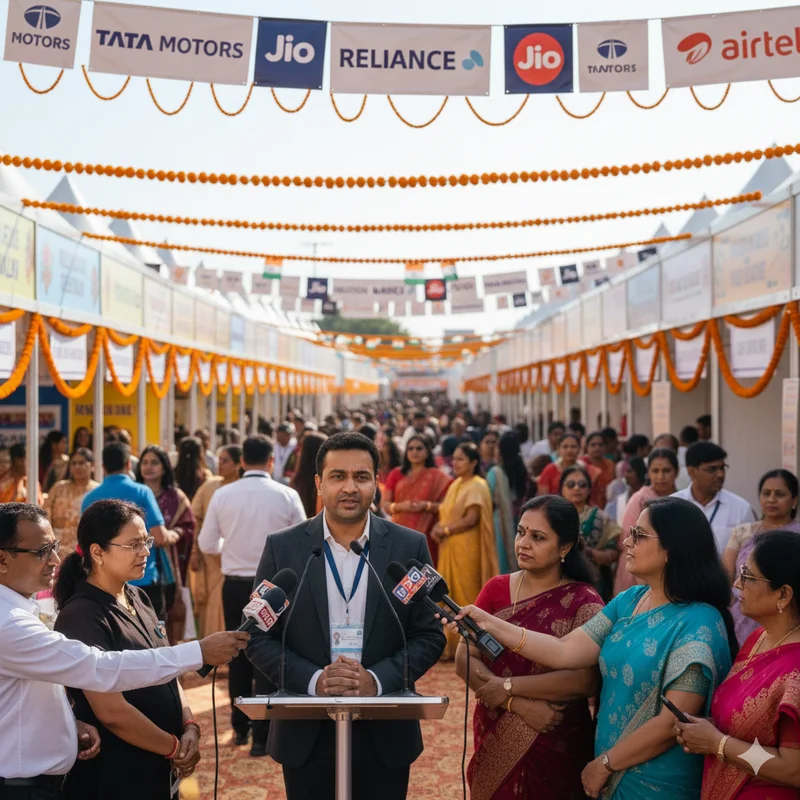
Don't just send an email, send an invitation. Journalists appreciate hands-on exposure as well.
How to do it:
- Send an official media invite with at least a week's notice before the event.
- Provide a VIP pass to your event or reserved seating.
- Have a media kit together, including press releases, schedules, background info, etc.
- Have someone from your team on-site to handle press inquiries.
After the event, follow up with thank you e-mails and send over pictures. Re-post any published articles on your social media outlets and tag the outlets to show your appreciation as well.
Step 7: Work with Local Platforms such as LocalShouts
An intelligent way to ensure your event gets exposure is to work with platforms such as LocalShouts (https://www.localshouts.com), which are built to connect communities, small businesses, and event audiences.
How LocalShouts can help you:
- Promote your event on the website so it has a better online reach.
- Connect you with local content creators and reporters.
- Provide you with easy tools for event promotion and ticketing.
- Promote your event through digital channels for wider visibility.
Working with Local Shouts allows you to expand your reach to ticket-buying event-goers, and utilizes their very own mission to expose local happenings to the local press ecosystem who monitors these community events on varying outlets.
Step 8: Follow Up After the Event
After the event, don’t let the momentum fade. Send a short thank-you note and photos to every journalist who attended or covered the event. Include highlights such as:
- Total number of attendees.
- Community impact or funds raised.
- Positive feedback or social buzz.
These updates strengthen your relationship with the media and prepare you for smoother coverage next time.
Conclusion
Securing local press attention for your event is not solely about publicity; it’s about connecting with your community through authentic stories. For small and micro businesses in India, maximizing exposure can happen if the approach is strategic, relational, and consistent.
Writing a killer story is only part of the equation; in today's digital world, you also need to have a visibility tool like LocalShouts (https://www.localshouts.com) to build a foundation. The key is to bring together online tools with offline media relationships.
When the process is successful, press events can even create trust, not just attendance; the goal is to attain a strong local following, while being authentic through all of this!
FAQs
1. How early should I contact the press before my event?
At least two to three weeks before your event. This gives editors time to review, plan, and feature your story.
2. What’s the best way to send a press release?
Email it directly to reporters who cover community or lifestyle sections, and attach high-quality visuals.
3. How can LocalShouts help with press coverage?
LocalShouts lists your event online, making it visible to media scouts, bloggers, and community followers who look for local stories.
4. Should I pay for press coverage?
Not necessarily. Many local outlets cover community events for free if they find them relevant. However, paid advertorials can ensure guaranteed placement.
5. Can small businesses get covered by big newspapers?
Yes, especially if your story is unique, community-focused, or socially impactful.
6. What should I include in my media kit?
Include your press release, event schedule, photos, company background, and contact details.