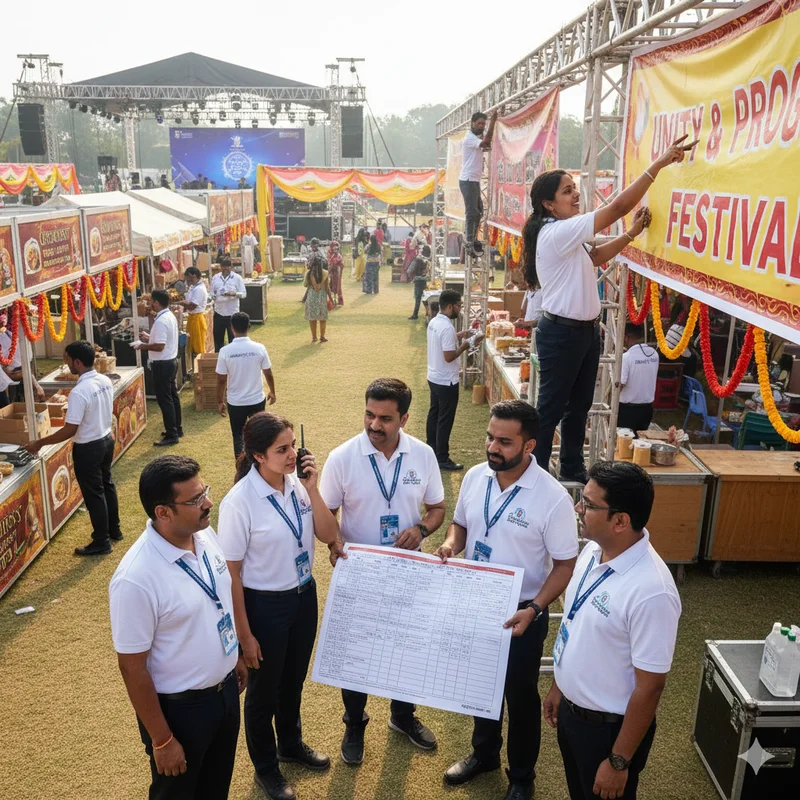
Introduction
Every successful event whether it’s a local food fair, a start-up meet-up, or a college cultural fest will be dependent on event logistics.
Logistics sounds like an intimidating word, but if we strip it back, it is simply all the tasks behind the scenes that make an event run smoothly.
Logistics include vendor management, equipment handling, guests arriving in a timely manner we associate completion and logistics together.
It is the logistics of the events that determines whether an event feels professionally organized or disorganized (craziness).
Event logistics can be challenging for small and micro businesses in India. Because of budgets, staff size, or local circumstances, event setup can become complicated, and the simplest events become complicated. However, logistics can be a straightforward component of thoughtful planning and coordination mixed with technology.
Platform such as, LocalShouts (https://www.localshouts.com), is helping community organizers and small event planning by connecting them to local vendors, volunteers and audiences, all in an organized manner.
In this in-depth post, we will go through how to execute your event from a logistics perspective, from the early planning, on the day of the event, to the end of the event, thus you can become familiarizing with the complexities of event logistics experience planning.
Understanding Event Logistics
Event logistics covers every moving part that turns your vision into reality. It includes:
- Venue selection and setup
- Vendor coordination (food, sound, decoration, etc.)
- Transportation and deliveries
- Guest or attendee management
- Equipment and technical arrangements
- Time schedules and staffing
- Safety, permits, and contingency planning
Each of these areas requires planning, communication, and flexibility. When managed well, logistics create a positive experience for both guests and organizers.
Step 1: Start with a Clear Event Plan
Smooth logistics start with a clear vision. Before worrying about tents or tables, define your event goals.
Ask yourself:
- What is the purpose of this event?
- Who is the target audience?
- How many attendees are expected?
- What’s the budget?
- What’s the timeline for preparation?
Once you answer these questions, draft a logistics checklist covering every element—venue, vendors, volunteers, and transport. This document becomes your roadmap for all operational decisions.
Platforms like LocalShouts (https://www.localshouts.com) can also help list your event early, giving you visibility while you organize the logistics in the background.
Step 2: Select the Suitable Venue
Your venue is a major part of your logistics. Everything can go wrong no matter how much you plan if the venue is wrong
Main elements to consider:
- Location: A venue that is not easy to find, or serviced by public transportation, will make things difficult.
- Capacity: Have a venue that matches your expected crowd size.
- Facilities: Will there be access to power, water, restrooms, parking?
- Permits: Ensure any local permits or licenses required are secured well in advance.
Options for backup: Always have a back-up venue lined up in an emergency. Especially important for outdoor events.
Make sure you go into the venue in advance in order to picture the layout for entry, stage, stalls, and movement.
Step 3: Create a Strong Logistics Team
Even small events need a team. Make sure responsibilities/responsibilities are clearly assigned so it doesn't fall through the cracks.
Roles in your core logistics team:
- Event Coordinator: This will oversee the whole operation and put out fires before they start.
- Vendor Manager: This person will manage all supplier contracts/deliveries.
- Tech Lead: This person will oversee setup of sound, light and any digital equipment in your venue.
- Volunteer Coordinator: This person will manage what help will be on the ground.
- Guest Coordinator: This person will manage registration, hospitality support and seating.
Provide regular updates to your team. Put this in a group or create a google sheet or a trello board. Simple coordination was the goal.
Step 4: Plan Vendor Coordination Early
Your vendors—caterers, decorators, sound technicians, and equipment providers—are your lifeline. Miscommunication with them can derail the entire event.
Tips for vendor management:
- Get quotations from multiple vendors to compare prices.
- Always have written contracts with deliverables and timelines.
- Arrange delivery schedules a day before the event if possible.
- Keep contact numbers of all vendor representatives handy.
- Assign one point of contact per vendor to avoid confusion.
It’s also smart to feature your event vendors or sponsors on LocalShouts (https://www.localshouts.com). This creates visibility for them and strengthens community relationships.
Step 5: Create a Master Event Timeline
An event timeline keeps everyone on the same page. It ensures tasks are completed in order and nothing gets missed.
Break it down into:
- Pre-event tasks: Booking, promotion, permits, logistics setup.
- Event day schedule: Vendor arrival, setup completion, opening, key activities, closing.
- Post-event tasks: Cleanup, feedback collection, vendor payments, report creation.
Share this schedule with your team and vendors. Even small details like “sound check at 4:30 PM” or “security briefing at 6 PM” can make a big difference.
Step 6: Manage Equipment and Supplies
From microphones to extension cords, missing equipment can cause delays and frustration. Prepare an inventory list of all supplies you’ll need and check them twice before event day.
Include:
- Audio-visual equipment (speakers, microphones, screens)
- Stage materials and decorations
- Seating and tables
- Banners and signboards
- Registration materials (tags, pens, forms)
- Cleaning and safety items (sanitizers, first aid)
Label boxes and store them in accessible areas. Assign volunteers to track items throughout the day.
Step 7: Arranging Transportation and Deliveries
Transportation logistics can be a source of last-minute anxiety. Be proactive.
Things to consider:
- Delivery time for food and equipment
- Loading/unloading permissions at the location
- Parking for vendors and guests
- Shuttle services if the venue is located far away
When you have a public event include directions for your transportation options on your LocalShouts (https://www.localshouts.com) event listing page to allow for your attendees to plan how to get there with ease.
Step 8: Consider Crowd and Guest Control
Crowd and guest control will help ensure your event is safe and organized.
Options may consist of:
- Making entry and exit points clear
- Signboards and arrows to help attendees
- Having a registration/ticket counter in a separate area
- Utilizing volunteers in areas of high traffic
- Providing wristbands and passes as identification
Also, consider a seated or standing audience depending on the type of event. For instance, a food festival needs flexibility of movement, while a seminar requires enough space for guests to sit.
Step 9: Safety and Compliance
Safety must be an enabling principle and irrespective of whether it is a small or large event, the need to adhere to local laws and regulations is critical in preventing undue risks and subsequent accidents.
Safety compliance checklist
- Fire extinguishers and emergency exits
- Medical or First Aid Station
- Proper electrical wiring if sound system is used
- Crowd control barriers for larger gatherings
- Coordinate with local police or appropriate municipal point of contact if required
Have an emergency plan in place, including evacuation routes and contact numbers for security personnel.
Step 10: Use Digital Technology for Efficiency
Technology can be used to simplify some of the complexities of event logistics. Instead of using paper and pen to manage everything, go digital where you can to help avoid delays and lost paper work.
Useful digital products and tools include:
- Google Forms: Used for volunteer or guest registration.
- Trello or Asana: For tracking tasks.
- Canva: For creating digital posters.
- WhatsApp Broadcast: For team coordination.
- LocalShouts (https://www.localshouts.com) - event listing, promotion, local reach.
These products can help eliminate potential problems with manual errors, in addition to allowing for open communication within teams in “real-time" while busy preparing for your event.
Step 11: Communicate Constantly
Miscommunication is one of the top causes of logistical problems. Keep your team and vendors updated daily, especially during the final week.
Create a communication chain—who reports to whom—and ensure everyone knows their role. On event day, use walkie-talkies or a dedicated WhatsApp group for quick problem-solving.
Step 12: Conduct a Full Rehearsal
If your event involves performances, presentations, or technical elements, hold a rehearsal. This helps identify gaps early.
During rehearsal:
- Test the lighting and sound systems.
- Simulate guest flow.
- Review stage timings.
- Check backup power.
- Confirm that all vendors deliver as promised.
Think of this as your final quality check before the big day.
Step 13: Manage On-Ground Operations Smoothly
On the event day, you need a calm but alert mindset. Logistics can change at any moment—stay flexible.
Best practices:
- Arrive at least 2–3 hours before opening.
- Hold a quick team briefing.
- Assign one leader per area (entrance, stage, catering).
- Keep a printed checklist for each team.
- Encourage volunteers to report problems early.
Having a control booth or command center helps coordinate everything efficiently.
Step 14: Handle Unexpected Issues Professionally
Even with perfect planning, surprises happen—like power failures, delays, or extra guests. Your reaction determines the outcome.
Stay calm, think quickly, and always have backup options:
- Keep extra chairs, cables, or food portions ready.
- Have a contact list of standby vendors.
- Prepare an alternate event flow if something is delayed.
A composed team can turn potential problems into opportunities to impress.
Step 15: Close Strong and Manage Post-Event Tasks
Once your event ends, your logistics duties aren’t over. Proper closure ensures smooth settlement and reputation building.
Post-event tasks include:
- Clearing the venue and returning rented items.
- Paying vendors and settling invoices.
- Thanking your team, sponsors, and volunteers.
- Gathering feedback from attendees.
- Posting event highlights on LocalShouts (https://www.localshouts.com) for visibility.
Collect data on attendance, expenses, and lessons learned to improve future events.
Step 16: Evaluate and Improve
After everything is done, hold a debrief meeting. Discuss:
- What worked well?
- What caused delays?
- How can processes be improved next time?
Document these insights. Over time, you’ll develop a logistics playbook that saves effort for future events.
How LocalShouts Supports Event Logistics
LocalShouts (https://www.localshouts.com) is India’s fastest-growing local event platform, designed to help small businesses and community organizers promote and manage events easily.
Here’s how it helps streamline your logistics:
- Online event listings: Reach people in your city instantly.
- Local collaboration: Connect with nearby vendors, sponsors, and volunteers.
- Visibility: Attract attendees through verified local promotions.
- Community engagement: Collect reviews and build credibility for future events.
By combining LocalShouts’ promotional reach with strong logistics planning, your event becomes both well-attended and well-organized.
Conclusion
Smooth event logistics don’t happen by accident—they’re the result of thoughtful planning, teamwork, and communication. Whether you’re hosting a neighborhood fair or a regional conference, every detail matters: timing, coordination, and preparation.
By breaking tasks into clear steps and leveraging tools like LocalShouts (https://www.localshouts.com), small businesses and organizers in India can execute professional-quality events without stress. The more organized your logistics, the better the experience for attendees—and the stronger your brand reputation becomes.
Remember, great events aren’t just about what happens on stage—they’re built on everything that happens behind it.
FAQs
1. What does event logistics include?
Event logistics cover venue setup, vendor coordination, transportation, technical arrangements, safety compliance, and guest management.
2. How early should I start planning event logistics?
Start at least 6–8 weeks in advance for small events, and 3–6 months ahead for larger ones.
3. How can LocalShouts help with event logistics?
LocalShouts connects organizers to local audiences, vendors, and promotion channels, making coordination and visibility easier.
4. What’s the best way to handle last-minute issues?
Stay calm, have backup options, and ensure open communication between your team and vendors.
5. How can technology simplify event logistics?
Tools like Trello, Google Sheets, and LocalShouts help track tasks, manage communication, and promote events efficiently.
6. What’s the key to smooth on-ground operations?
Clear delegation, rehearsals, real-time communication, and flexibility to adapt when plans change.


