Introduction
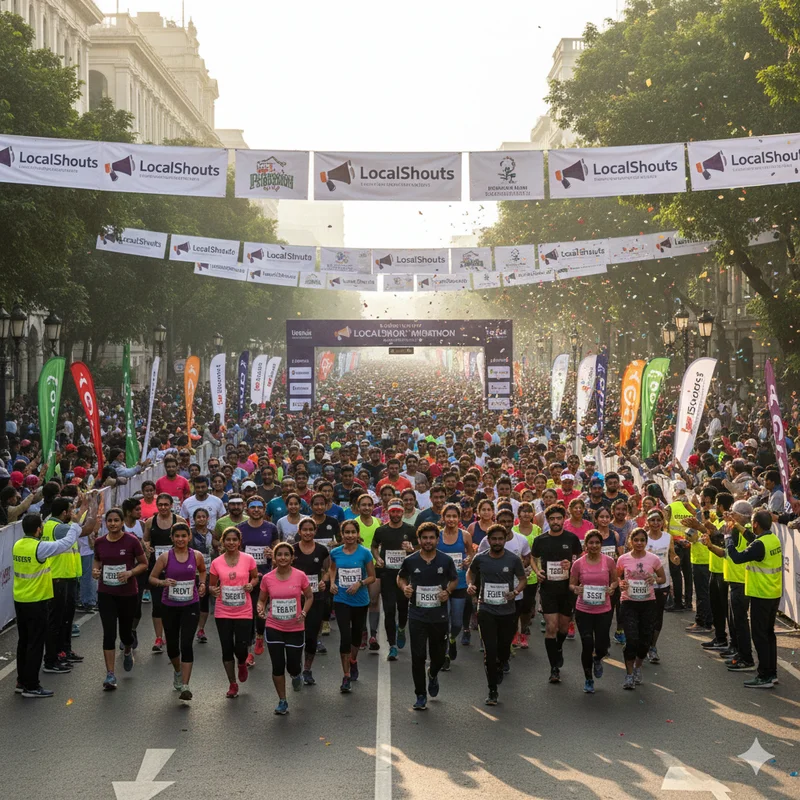
Few occasions unite people quite like a charity marathon. Whether it is to fund the healthcare sector, education, or welfare work, the marathon brings together fitness enthusiasts, local businesses, volunteers, and donors around a cause. From professional runners to families walking for fun, they raise awareness, promote health, and build community spirit, while also giving back.
But pulling together a local charity marathon requires more than enthusiasm - it takes deliberate planning, coordination, marketing, and working together with co-sponsors, and local authorities. The best part is that you do not have to be an event manager to make this happen! Platforms like LocalShouts (https://www.localshouts.com) can help promote local events, and help attract participants, so even the smallest of organizers can take their idea and create a successful event in their city.
This guide is intended to provide you with everything you need to know to host a local charity marathon in India - from planning a marathon, obtaining permissions, to promotion and engaging participants and sponsors.
1. Define the Purpose and Cause
Every great charity marathon starts with a purpose. Decide exactly why you’re organizing it and who will benefit from the funds raised. This clarity will guide your messaging, attract sponsors, and inspire participants.
Common causes include:
- Supporting local schools or NGOs
- Raising awareness about health issues (like diabetes or cancer)
- Promoting environmental initiatives (such as tree planting drives)
- Helping underprivileged communities or disaster relief efforts
Your cause should resonate locally. For example, a marathon to support flood relief in your region or to raise funds for a local hospital will connect emotionally with residents and increase participation.
Pro Tip: Mention your cause clearly in all promotional materials and your LocalShouts listing. People are more likely to join when they understand the impact of their contribution.
2. Form a Core Organizing Team
No one can run an event like this alone. Form a team with clear responsibilities.
Suggested roles:
- Event Director: Oversees everything and ensures deadlines are met
- Logistics Manager: Handles route planning, permissions, and supplies
- Sponsorship Coordinator: Manages sponsors and partnerships
- Marketing Lead: Promotes the event (including through LocalShouts)
- Volunteer Coordinator: Recruits and trains volunteers
- Safety Officer: Manages first aid, crowd control, and emergency plans
Assigning roles early ensures accountability and smooth coordination throughout the planning process.
3. Pick the Right Day and Location
Timing and location can make or break your marathon.
a. Day Selection: Choose a weekend morning (typically Sunday) when traffic is lighter. Do not schedule your run during an exam period or public festival or a political event that might limit participation or create permission issues.
b. Route Selection
Choices for the route should be a picturesque and easily accessible course, like:
- A circuit in a city park
- A loop around a primary road (with police permissions)
- A university campus or stadium grounds for smaller events
When deciding your route, make sure:
- That it has limited traffic disruptions
- That the road conditions are suitable and safe
- That water stations and bathrooms will be unavailable
Determine various categories (5K, 10K, Half Marathon) to entice participation from every level of runner.
4. Permissions and Approvals
This is a key component that many miss.
You should have permissions from:
- The local municipality or city council
- The traffic police for road closures or other safety mechanisms
- Local hospitals or the Red Cross related to first aid
- Local citizens and Residents’ Welfare Associations (RWAs) if your route passes through neighborhoods
You may want to put together a proposal, outlining:
- The purpose of your event
- An estimated attendance count
- Safety and clean-up plan
- The benefit to the local community
With prior approval and confirmations, you can mitigate against last minute surprises.
5. Create a Realistic Budget
Your budget will depend on the size and projected participation of your event. You should break down your budget clearly with categories like:
Essential Costs:
- Facility and permit costs
- Bibs and timing chips
- Medals and t-shirts
- Banners, signage, and sound system
- Refreshments and water stations
- First aid station and ambulances
- Volunteer kits
Digital marketing and listing the event on LocalShouts (https://www.localshouts.com)
Set aside a small contingency for unexpected expenses.
You have the option of lowering your costs through sponsorships and partnership agreements — we will cover that later.
6. Collaborate with Sponsors and Local Businesses
Sponsorships can help alleviate your costs, while also providing businesses an opportunity to communicate their support of the community. Some potential contacts include:
- Local gyms and fitness brands
- Sports supply shop
- Banks and insurance companies
- Hospitals and local health clinics
- Food and beverage brands
Offer sponsorship levels based on custom value like:
- Gold Sponsor: Logo on t-shirts, banners, and medals
- Silver Sponsor: Logo on posters, event boards
- Community Supporter: Listing in your LocalShouts posting and on your website
Local businesses love to create a connection to meaningful causes, especially visible to the immediate local audience.
7. Promote the Marathon Early
Promotion is where your event comes alive. You need both digital visibility and on-ground buzz.
a. Feature the Event on LocalShouts: Post your marathon details on LocalShouts (https://www.localshouts.com) — include event highlights, cause details, route map, and registration link. LocalShouts helps connect you with nearby participants, sponsors, and volunteers.
b. Use Social Media Creatively: Post teaser videos, countdown posts, and training tips for runners. Create hashtags like #RunForCause or #YourCityMarathon and encourage participants to use them.
c. Collaborate with Local Influencers: Invite fitness coaches, YouTubers, or athletes from your city to promote the event. They can motivate people to participate or volunteer.
d. Engage Schools and Colleges: Students bring energy and numbers. Partner with schools for junior runs or group registrations.
e. Use Offline Promotions: Put up posters in gyms, cafes, sports stores, and colleges. Include a QR code linking to your LocalShouts page for easy registration.
8. Sign-Up and Participant Management
Establish whether your marathon will be free or require participant fees. If assessing a fee, set an affordable fee that covers costs and leads to fundraising for the cause.
Suggestions:
- Include a way for people to sign-up with an early-bird rate.
- Create an online registration form with clear registration terms.
- Send emails to participants confirming their registration that includes the marathon details after registration (date, bib pick-up, etc.).
- Capture the participants’ registration information so you are able to contact them with potential updates and future events.
- Encourage participants to post their registration on social media and tag your LocalShouts listing for additional visibility.
9. Recruit and Train Volunteers
Volunteers are the foundation of successful charity marathons. You will need volunteers for:
- Course assistance
- Water and refreshment stations
- Registration counters
- Safety and or first aid team
- Clean up crew
Recruit students, fitness enthusiasts, and NGO workers. After recruitment, send the volunteers a short orientation email explaining the day of the event's activities, schedule, safety, and communication plans.
10. Plan Event Day Logistics
Event day requires flawless coordination. Here’s a checklist:
Pre-Event Setup:
- Mark the route with arrows and signage.
- Set up registration desks and bib distribution counters.
- Ensure water, snacks, and medical kits are ready.
- Test sound systems and microphones.
- Have volunteers and marshals in position.
During the Event:
- Start with a warm-up session or short address.
- Ensure ambulance and first-aid staff are stationed at key points.
- Maintain communication via walkie-talkies or phones.
- Capture photos and videos for post-event sharing on LocalShouts and social media.
Post-Event:
- Distribute medals, certificates, and thank-you notes.
- Acknowledge sponsors publicly.
- Conduct a short clean-up drive to leave the venue spotless.
11. Make It Fun and Memorable
Charity marathons don’t have to be all about running — they can be vibrant community festivals. Add:
- Music zones or live bands at checkpoints
- Food stalls featuring local vendors
- Interactive booths by sponsors
- Photo walls for participants to capture memories
These activities create a festive atmosphere and attract non-runners too — families, friends, and community supporters.
12. Showcase the Cause Throughout the Event
Keep the purpose visible everywhere:
- Display banners with your cause’s message
- Play short awareness videos at the venue
- Have a donation counter or QR code for extra contributions
- Invite representatives from the beneficiary NGO to speak briefly
This reinforces the emotional connection between running and giving.
13. Collect Feedback and Analyze Success
After the marathon, take time to review and improve:
- How many people participated?
- How much was raised for the cause?
- Were there any safety or logistical issues?
- Which marketing channels (like LocalShouts or social media) brought the most registrations?
Send feedback forms to participants and volunteers. Post an event summary on LocalShouts to thank everyone involved and share photos.
14. Keep the Community Engaged Post-Event
The best organizers build long-term engagement. Stay connected by:
- Sharing event highlights and thank-you messages on LocalShouts.
- Posting photos, videos, and results on social media.
- Announcing the donation handover to the charity.
- Inviting participants to join next year’s run or smaller monthly fitness events.
This builds trust and anticipation for your future events.
15. Environmental and Social Responsibility
Make your marathon eco-friendly and inclusive:
- Use biodegradable cups and eco T-shirts.
- Encourage participants to bring refillable bottles.
- Employ paperless registration.
- Include differently-abled categories or wheelchair-friendly routes.
Promoting sustainability shows responsibility and inspires others to do the same.
Conclusion
Hosting a local charity marathon isn’t just about organizing a race — it’s about creating a positive ripple in your community. It combines fitness, purpose, and local unity in one powerful event.
With proper planning, strong partnerships, and platforms like LocalShouts (https://www.localshouts.com) to promote and amplify your reach, you can transform your marathon into a meaningful experience that supports causes and connects people.
So, lace up those running shoes, rally your community, and start planning. Your city’s next great charity run begins with your first step.
FAQs
1. How early should I start planning a charity marathon?
Ideally, start planning 3–4 months before the event to allow time for permissions, sponsorships, and promotions.
2. Do I need official permission to organize a marathon?
Yes. You must get approvals from the local municipal body, police department, and medical authorities to ensure safety and legality.
3. How can I attract sponsors for my marathon?
Offer brand visibility through banners, T-shirts, and your LocalShouts event page. Highlight how their sponsorship supports a community cause.
4. What’s the best way to promote the event locally?
Use LocalShouts, social media, schools, and gyms to spread the word. Combine digital promotion with physical posters and local media coverage.
5. How can I ensure participant safety?
Plan medical support, hydration stations, traffic control, and volunteer marshals throughout the route.
6. Can a small organization host a marathon successfully?
Absolutely. With community support, volunteers, and platforms like LocalShouts, even small teams can organize impactful, well-attended events.


