Introduction
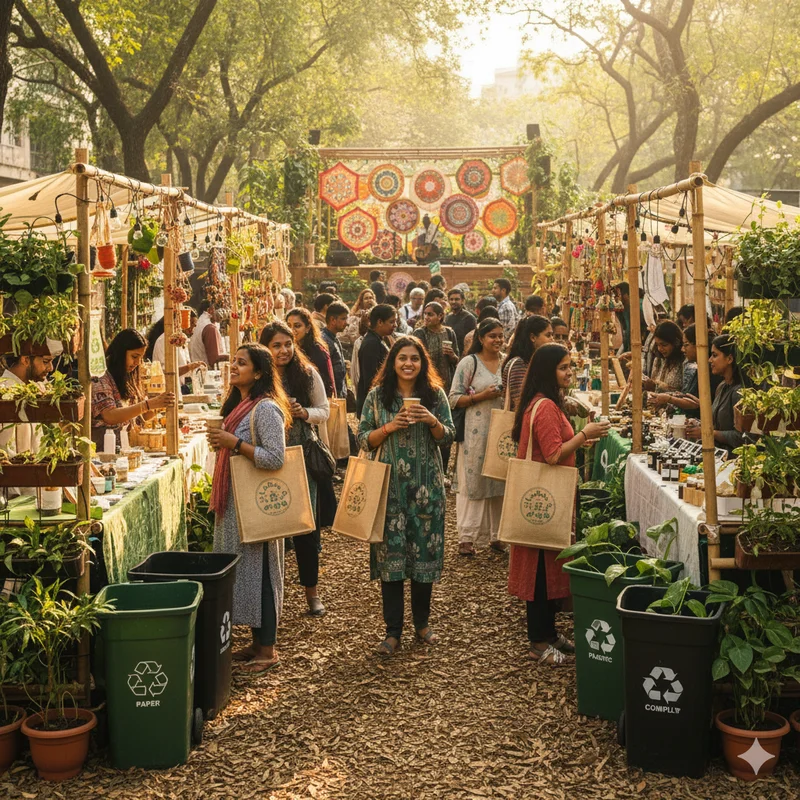
Community events are integral to community life — from food festivals, art fairs, cultural celebrations, and farmers' markets, community events unite people, promote local business, and foster community spirit. With increased attendance comes increased waste, energy consumption, and environmental strain — disposable cups, plastic banners, and all kinds of extraneous packaging can distract from the real reason we're having a community event, and that is to celebrate community. The good news is that there is a budding movement among Indian small-business owners, grassroots organisations, and local event promoters to make local events eco-friendly and sustainable. Going eco-friendly not only protects the environment, but also builds a solid brand image in the community. When customers see that your business is making a conscientious effort to protect the planet, some will be inclined to trust and support you when purchasing decisions are made. Organizations and initiatives like LocalShouts are helping to spearhead these efforts by supporting sustainable practices among local event organizers and vendors around India (https://www.localshouts.com). Here is your complete guide to planning your next local event with sustainability in mind.
1. Start with a Green Planning Mindset
Sustainability begins long before the event day. From the moment you start planning, make eco-friendly decisions part of your event strategy.
Ask yourself:
- How can we minimize waste at every step?
- Can we replace disposable materials with reusables?
- Are there eco-friendly local vendors we can partner with?
Creating a checklist early helps you stay organized and consistent.
Example:
A small café in Pune that hosted a weekend pop-up used only compostable cups and paper straws. They also collaborated with a nearby recycling NGO for waste collection — proving that green planning is achievable even on a small scale.
2. Select a Sustainable Facility
Picking a venue affects your event’s carbon footprint significantly. Select a venue that:
- Has naturally good ventilation or lighting that reduces electrical use.
- Has waste management or recycling systems.
- Is centrally located and therefore attendees don’t need to travel far.
Outdoor venues like community parks, school grounds, or local courtyards seem to be most successful. These not only save energy; but they also connect your event with the outdoors, which is popular for attendees.
If you are listing your event in LocalShouts, you can indicate your location’s eco-friendly attributes as a part of your sustainable experience to attract mindful visitors.
3. Reduce Plastic and Packaging Waste
Plastic waste is one of the most difficult waste challenges at any event. You can start by not using single-use plastics and using other materials instead:
- Have cloth or jute banners instead of vinyl banners.
- Encourage vendors to use paper or reusable totes instead of plastic bags.
- Use bamboo or biodegradable utensils instead of plastic utensils.
Invite your food vendors or partners to comply. Consistency among food vendors means your event will appear more eco-friendly and your participants will have a better outcome.
Pro Tip:
Set up “Plastic-Free Zones” at your event and clearly label bins for segregation — wet waste, dry waste, and recyclables. It encourages responsible behavior from participants too.
4. Promote Local and Sustainable Vendors
Supporting local sellers automatically makes your event more sustainable. Transport emissions reduce, packaging becomes simpler, and you empower your local economy.
Give preference to vendors who:
- Source ingredients or materials locally.
- Use handmade or eco-conscious products.
- Avoid excessive packaging.
Platforms like LocalShouts make it easy to find and invite verified local vendors who align with your event’s green goals.
For example, an organic soap seller or a local farmer’s stall fits perfectly into a sustainable theme while also drawing in environmentally aware visitors.
5. Go Paperless Wherever Possible
Digital tools make it easier than ever to reduce paper use. Instead of printed invitations, posters, or tickets, try digital alternatives:
- Use QR codes for entry passes or product catalogs.
- Send WhatsApp invites or email confirmations.
- Display event schedules on digital screens or boards instead of paper sheets.
💡 LocalShouts Tip:
When you list your event on LocalShouts, you automatically reduce the need for printed materials. Visitors can discover your event online, check timings, register, and even share it digitally — all without a single sheet of paper.
6. Manage Waste Smartly During the Event
An environmentally friendly event doesn’t just minimize waste — it manages it responsibly.
Set up clearly marked waste stations across your venue for easy disposal. Assign volunteers or staff to monitor them and ensure waste is properly segregated.
If possible, tie up with local recycling centers or composting groups to handle waste after the event. Many NGOs and startups in India, like Paperman (Chennai) and Waste Warriors (Dehradun), offer such partnerships.
Encourage vendors to handle their own waste responsibly and to take back unused stock to avoid unnecessary dumping.
7. Offer Sustainable Giveaways and Merchandise
Gifts and giveaways are popular at local events, but they often include plastic pens, keychains, or leaflets that end up as waste.
Instead, offer something meaningful and eco-friendly:
- Seed paper bookmarks or cards
- Jute bags
- Reusable cups or metal straws
- Handmade crafts from local artisans
These items not only reduce waste but also keep your brand memorable for all the right reasons.
You can even collaborate with a local green business to co-brand these giveaways — a win-win for everyone involved.
8. Use Energy-Efficient Lighting and Equipment
If your event takes place in the evening or indoors, choose LED lighting instead of halogen bulbs. LEDs consume up to 80% less energy and last longer.
For outdoor setups, consider solar-powered lighting or sound systems if feasible. You can also schedule daytime events to minimize electricity usage altogether.
Encourage vendors to use energy-efficient appliances, such as induction cookers or battery-powered devices instead of generators.
Every small step contributes to a greener footprint.
9. Educate and Engage Attendees
An eco-friendly event is also an opportunity to educate your audience about sustainability.
You can:
- Set up an awareness booth about waste reduction.
- Host short talks by local environmental groups.
- Display signs that explain your green initiatives (“Our cups are compostable”, “Plastic-Free Event”).
This makes attendees feel like part of a shared mission rather than just spectators.
Engagement creates a sense of responsibility — and next time, they might bring their own bottles or bags automatically.
10. Promote Sustainable Transportation
Transportation is a key contributor to carbon emissions during events. Consider ways you can encourage visitors to take eco-friendly transportation options:
- Encourage car pooling or riding a bike to your event by providing an incentive.
- Provide information about public transport in the vicinity of your event.
- Create a partnership with a ride-share service so the community can receive discounted “green rides.”
If your event is promoted through LocalShout, you have more of an opportunity to showcase your event's “eco-friendly travel” options helping more mindful guests prepare for their arrival.
11. Consider Offsetting Your Event's Carbon Footprint
Even with the best planning, some negative consequences to the environment cannot be avoided. Consider carbon offsetting, a way to support other initiatives that remove carbon from the atmosphere while compensating for your own emissions by planting trees or providing resources for renewable energy projects and initiatives.
There are a number of NGOs in India that allow businesses to assess and offset their carbon footprint for very affordable prices. You also allow your event or brand cover for its environmental credibility and transparency.
Example:
A small community event in Bengaluru aimed to offset any emissions created by planting 200 saplings through a local foundation. They were able to gain not only good media coverage for their community outreach, but also strongly appreciated by the community.
12. Capture and Share Your Green Story
Don’t forget to showcase your sustainability efforts online! Share photos, short videos, and stories of your eco-friendly initiatives across your social media platforms.
Highlight the vendors, partners, and volunteers who supported your green mission. Use hashtags like #GoGreen, #EcoEvent, or #SustainableLocal to reach environmentally conscious audiences.
🌱 LocalShouts Bonus Tip:
When you share your event on LocalShouts, it gets featured in the “Sustainable Local Events” category, giving your green initiatives the visibility they deserve among like-minded businesses and audiences.
13. Follow Up and Keep Improving
After the event, review what worked well and what can be improved. Collect feedback from vendors and attendees about your sustainability efforts.
Did they notice your waste segregation bins? Did they appreciate the paperless setup? Were they motivated to take part in future green initiatives?
Each event is a learning experience. The more you practice sustainability, the easier and more impactful it becomes over time.
14. Why Going Green Matters for Local Businesses
Being environmentally responsible isn’t just good for the planet — it’s great for business too.
Here’s why:
- Customers prefer eco-conscious brands. Studies show that consumers are more likely to support businesses that align with their values.
- It reduces costs in the long run. Reusable setups and digital tools save money over time.
- It enhances brand reputation. Local media and influencers love covering eco-friendly initiatives.
When your brand is associated with care for the community and the environment, you stand out as a responsible, trustworthy business.
15. LocalShouts: Your Partner in Green Events
If you’re planning to host or participate in an eco-friendly event, LocalShouts (https://www.localshouts.com) is your best ally.
The platform connects local entrepreneurs, event organizers, and eco-conscious communities across India. With LocalShouts, you can:
- List your green events for free.
- Discover sustainable vendors and partners nearby.
- Promote your eco initiatives to thousands of local users.
- Get featured in “Green Business Highlights” stories.
By promoting your event on LocalShouts, you ensure that your efforts reach people who care — and inspire others to follow your lead.
Conclusion
Making your local event environmentally friendly doesn’t require massive budgets or complex strategies — it starts with simple, thoughtful actions.
From choosing reusable materials and reducing waste to supporting local vendors and promoting green transport, every small step contributes to a bigger positive change.
And when your community sees your commitment to sustainability, it builds deep respect and loyalty for your brand.
With platforms like LocalShouts (https://www.localshouts.com), small businesses can go green together — making community events not only joyful but also meaningful for the planet.
Because in the end, the best events aren’t just memorable — they’re responsible.
6 FAQs
1. Why should local events focus on being environmentally friendly?
Eco-friendly events reduce waste, save energy, and inspire communities to adopt sustainable practices, benefiting both the planet and the local economy.
2. How can small businesses contribute to green events?
They can use biodegradable packaging, avoid plastic decor, source locally, and promote sustainability through awareness and responsible practices.
3. Are eco-friendly event materials expensive?
Not necessarily. Many sustainable alternatives like paper cups, bamboo plates, and digital invites are now affordable and easily available in India.
4. How can LocalShouts help in organizing eco-friendly events?
LocalShouts connects businesses with sustainable event vendors, promotes eco-events online, and increases visibility among eco-conscious audiences.
5. What kind of giveaways suit a green event?
Items like jute bags, seed paper cards, reusable bottles, or locally made crafts make great eco-friendly giveaways.
6. Can eco-friendly events attract more customers?
Yes. People increasingly prefer supporting businesses that show social and environmental responsibility, helping you stand out and build loyalty.


