Introduction
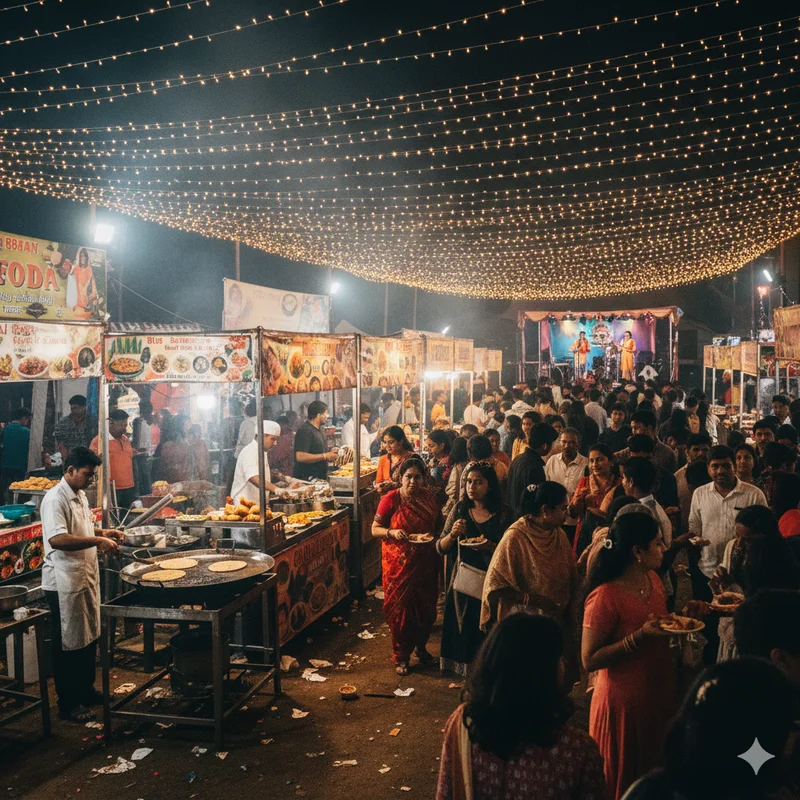
Food unites individuals across cultures, communities, and cities. In India, where every area offers its special tastes and customs, food fairs have developed into venues to embrace cultural values, creativity, and entrepreneurship. Some examples could be street-food fairs in Jaipur or organic food “fests” in Bengaluru celebrating community and entrepreneurship. These events create opportunities for small firms, chefs, and food start-ups to be noticed across the community. However, behind every successful food fair is labour, marketing, and some collaboration between community partners. Whether you are a restaurant owner, vendor, or organiser of a community event, a food fair can facilitate the followings:
- Increase brand awareness
- Develop loyal customers
- Work with other community businesses
- Showcase your creativity
Platforms like LocalShouts (https://www.localshouts.com) increase the reach of food businesses by helping small/medium firms learn how to advertise and promote their food fairs completely free of charge.
Here is a comprehensive guide to hosting your food fair and getting them to come back for seconds.
1. Define the Goal of Your Food Festival
Before anything else, clarify why you’re hosting the festival.
Ask yourself:
- Do you want to promote local cuisine or your restaurant?
- Are you aiming to support small vendors or attract footfall to your area?
- Do you want to raise awareness for sustainable food or regional dishes?
Once your goal is clear, everything else — from venue selection to marketing — becomes easier to plan.
For example:
- A local restaurant association might host a “Taste of Delhi” event.
- A home chef community could organize “Flavors of India” featuring homemade snacks.
- A farmers’ collective could arrange an “Organic Harvest Fest.”
When your vision is focused, your event feels purposeful — not just another food fair.
2. Choose the Perfect Location
Your venue sets the tone for your entire event.
Key considerations:
- Accessibility: Pick a spot that’s easy to reach by public transport or parking.
- Capacity: Estimate your audience and ensure enough space for stalls, seating, and walkways.
- Safety: Check for safety exits, first-aid availability, and cleanliness.
- Ambience: Open parks, community halls, or even large café courtyards work great for small fests.
For example, an open-air venue near a local market attracts natural footfall, while a college campus ensures youthful energy.
💡 Pro Tip: Coordinate with the local municipal authorities for permissions early. Food festivals often require hygiene and crowd management approvals.
3. Curate Diverse Food Vendors
Variety is the heart of any great food festival.
Include a mix of:
- Local eateries and food trucks
- Home-based chefs and bakers
- Organic and artisanal food producers
- Beverage stalls (coffee, smoothies, juices)
- Cultural cuisines (Rajasthani, Bengali, South Indian, etc.)
Encourage each vendor to bring something unique — a signature dish, a creative plating idea, or even a regional story behind their recipe.
Diversity keeps visitors excited and gives small businesses a platform to showcase their specialties.
4. Set Up a Theme for Branding
A theme ties everything together visually and emotionally.
Popular Indian festival themes include:
- “Desi Delights” – regional street food and snacks
- “Sustainable Bites” – eco-friendly and organic eating
- “The Great Indian Dessert Fest” – sweets, bakery items, and fusion treats
- “Taste the World” – international cuisine from local chefs
Create a catchy tagline and consistent color scheme for banners, menus, and social media posts. A clear identity helps your event stand out and attract media attention.
5. Involve Local Businesses and Sponsors
Collaboration can turn a small event into a big success.
Approach:
- Cafés, bakeries, and restaurants for food sponsorship or stall participation.
- Local radio stations or media outlets for coverage.
- College cultural teams for music, hosting, and performances.
- Eco-product brands for sustainability stalls or gift hampers.
Platforms like LocalShouts (https://www.localshouts.com) help you find potential collaborators nearby and feature your event in their local event listings, making it visible to a wider audience.
6. Plan Logistics and Stall Layout
A positive experience starts with arranged logistics.
Stall Layout:
- Plan to have walkways wide enough to minimize crowds.
- Put beverage counters and dessert stalls at corners to improve traffic flow.
- Designate an eating area with tables and shade.
- Provide trash/compost bins and handwashing stations.
Where facilities are concerned:
- Power sources for appliances.
- Drinking water points.
- A medical contact (possibly at a neighbouring stall).
- A team of security staff,
- A group of volunteers will navigate with teams.
An organizational layout can not only create customer satisfaction but also entice visitors to stay longer — and spend money.
7. Ensure Food Hygiene and Safety
Food safety can make or break the event's reputation.
Checklist:
- All vendors are to wear gloves, aprons, and use clean utensils.
- Have hand sanitizing stations at various points.
- Segregate waste (wet and dry bins).
- Have the health inspector — or event coordinator, confirm everyone is hygienic.
- Have access to drinkable water, and avoid any plastic disposable bottles or cups.
People feeling safe eating at your event allows your brand to be trusted — and gives them a reason to return.
8. Add Entertainment and Engagement Activities
A food festival isn’t just about food — it’s about experience.
Add fun elements to keep people entertained:
- Live music or DJ for background energy.
- Cooking competitions for audience participation.
- Workshops like “Make Your Own Mocktail” or “Decorate Your Cupcake.”
- Photo booths for social media engagement.
- Kids’ zone for families.
You can even collaborate with artists, dancers, or local performers through LocalShouts, which connects businesses with local talent for events.
9. Advertise the Festival Online
Digital marketing is imperative to attract visitors.
Here is a step-by-step plan:
a. Establish an Online Presence: Decide on a simple logo and a hashtag to be associated with your event. Example:
#TasteOfChennai2025 or #MumbaiFoodCarnival
b. Add on LocalShouts: Utilizing LocalShouts allows you to connect with thousands of nearby users actively searching for events. You will want to provide the event date, location, theme (ex: Diwali Fest) and list of vendors. It's free and highly optimized for local search.
c. Use Social Media Uniquely: Share countdown posts (“5 Days until The Biggest Food Fest in Delhi”) Featuring each vendor with a mini story or teaser video.
Offer a “Spot the Stall” contest, including giveaways
Encourage attendees to post photos and utilize the event hashtag.
d. Invite Food Bloggers: Provide a food blogger or reviewer from your city with a free ticket to enjoy the food festival in exchange for posting about their experience.
e. Use WhatsApp and Google My Business: Set up a Google My Business listing for the event so attendees can easily find directions.
Use WhatsApp broadcasts to remind subscribers and customers about dates and ticket specials.
10. Offer Digital Payments and Easy Ticketing
Cashless options are a must in modern events.
- Enable UPI, QR codes, or digital wallets for quick transactions.
- Offer early bird tickets online through LocalShouts or ticketing platforms.
- Use simple entry bands or digital passes for attendees.
These small conveniences improve visitor satisfaction and reduce delays at entry points.
11. Go Green: Make It an Eco-Friendly Festival
Food festivals often generate waste — but small steps can make a big difference.
Adopt these sustainable practices:
- Use biodegradable plates, cups, and cutlery.
- Encourage vendors to reduce plastic packaging.
- Partner with local NGOs for waste management.
- Provide incentives for visitors who bring reusable bottles.
- Compost leftover food responsibly.
When your event is eco-conscious, it appeals to environmentally aware audiences and strengthens your brand image.
12. Capture and Share Memories
Document your festival!
- Hire a photographer or videographer to capture highlights.
- Share snippets on social media and LocalShouts event updates.
- Tag vendors and attendees — they’ll repost and expand your reach.
Use the content later for:
- Promoting next year’s event
- Brand collaborations
- Marketing your café, restaurant, or business
A picture of a happy crowd enjoying local food can speak louder than any advertisement.
13. Collect Feedback and Analyze Results
After the festival, collect insights to improve future editions.
Ways to gather feedback:
- QR code surveys at exit points
- Social media polls
- Vendor feedback forms
- Comment box or digital feedback wall
Ask questions like:
- Which food stall did you enjoy most?
- What could be improved next year?
- Would you attend again?
Analyze attendance numbers, social media engagement, and sales data. Share highlights on LocalShouts to build anticipation for your next event.
14. Build Long-Term Relationships
A food festival is just the start. Keep the connections alive:
- Follow up with vendors and attendees on WhatsApp or email.
- Offer special deals or loyalty programs for visitors.
- Collaborate with the same businesses for future community events.
When you nurture these relationships, you create a network of support and partnership that keeps your business growing year-round.
15. How LocalShouts Helps Make Your Food Festival a Success
LocalShouts (https://www.localshouts.com) is India’s go-to platform for discovering and promoting local events. It helps small and micro businesses get noticed without spending heavily on marketing.
For food festival organizers, it offers:
- Free event listings visible to thousands of local users
- Search engine visibility for “events near me”
- Easy collaboration with vendors, artists, and sponsors
- Community engagement through posts and local shoutouts
- Performance analytics to track event interest
In short, LocalShouts is your partner in turning a small idea into a city-wide celebration.
Conclusion
A food festival isn’t just an event — it’s a celebration of taste, creativity, and community.
By organizing one, you’re not just serving delicious food — you’re creating opportunities for local vendors, promoting small businesses, and bringing people together.
Plan thoughtfully, collaborate widely, and promote effectively using digital tools and LocalShouts (https://www.localshouts.com). With the right energy and teamwork, your food festival could become a yearly tradition everyone looks forward to.
So start planning today — and let your community taste success together!
6 FAQs
1. How much does it cost to organize a small food festival?
Depending on the scale, costs can range from ₹50,000 to ₹5,00,000, covering venue, permissions, stalls, and promotions.
2. How do I attract vendors to my food festival?
List your event on LocalShouts, reach out to local eateries, bakeries, and home chefs, and offer affordable stall prices.
3. What permissions do I need?
Food safety (FSSAI), municipal clearance, and crowd management permits are typically required.
4. How can I promote the event online for free?
Use LocalShouts, Instagram, and Google My Business to list and share event details with local audiences.
5. How can small restaurants benefit from participating?
It gives them exposure, new customers, and valuable feedback — while strengthening their brand image.
6. Should I make it a recurring event?
Yes! Annual or seasonal festivals create anticipation and can grow into major community traditions over time.


