Introduction
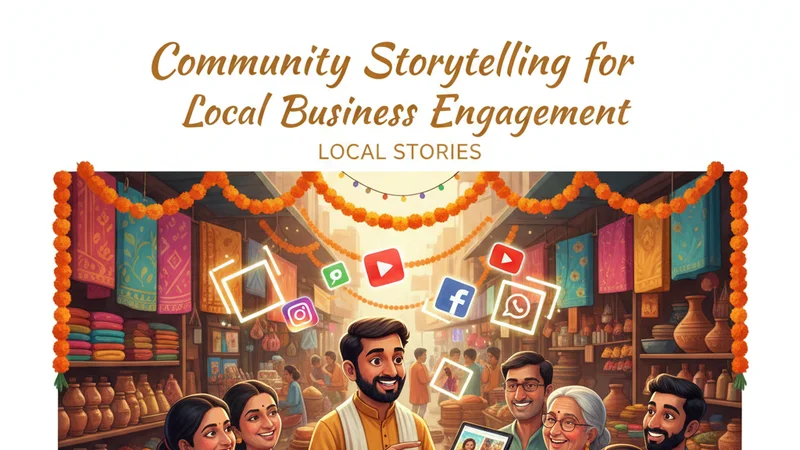
Each small and micro enterprise in India tells a story — of resilience, of relationships, and of community. Whether a local tea stall that became the neighborhood hangout, a tailoring establishment that sewed masks during the pandemic, or a bakery that sponsors the local school function — these stories have great emotional value.
Now, posting such people-driven stories on the internet is one of the strongest means to engage customers. No longer do people purchase products alone; they purchase trust, familiarity, and human rapport. For small businesses seeking to expand via websites, Google My Business, and social media, storytelling can make normal contact turn into long-term relationships.
This article will walk you through how to effectively share your community stories, leverage online platforms such as LocalShouts (https://www.localshouts.com) to grow your presence, and transform your audience into a loyal community that advocates for your brand.
Why Community Stories Matter for Small Businesses
Small and micro businesses are community-based. You're not selling something — you're a part of your customer's day-to-day life. When you tell your story about your journey, your people, or your neighborhood, you remind customers that your business is composed of real humans who give a damn.
Here's why community storytelling is effective:
- It creates emotional connection. People feel more connected to businesses that tell authentic, human stories.
- It fosters interaction. Stories elicit comments, shares, and conversation.
- It deepens your brand identity. Telling stories of your values and your effects conveys what your business represents.
- It increases online visibility. Sites such as LocalShouts (https://www.localshouts.com) have local stories, making you visible to customers looking for real local brands.
Understanding the Essence of a Community Story
A community tale is not about your business success — it's about the individuals in your life. It emphasizes relationships, values, and common experiences.
Examples are:
- The tale of your initial customer and how they helped you.
- How your store commemorates regional celebrations with customers.
- Partnerships with neighboring businesses or artisans.
- A regional charity event or undertaking your company sponsored.
These stories go beyond advertising — they highlight your relationship with the people who keep your business going.
Begin With Your Origin Story
Your company history is your strongest story. Customers enjoy hearing about your beginnings — the struggles, aspirations, and achievements.
When you write your origin story:
- Be intimate. Describe why you began your business — was it passion, a family legacy, or a local need?
- Include emotion. Talk about early struggles or community support that kept you going.
- Keep it real. Authentic stories always resonate more than polished, perfect ones.
Example:
A tiny mithai store in Nashik opened by two brothers in Diwali time is now a go-to destination for celebratory sweets. What distinguishes their tale is the way that they maintained prices affordable for the locals while employing pure ingredients — something that still continues to this day."
These types of stories personify your brand and make customers think about your higher purpose.
Spotlight Your Customers and Community Heroes
One of the best ways to tell a compelling story is to put the spotlight on others — your customers, employees, or local heroes.
For instance:
- Highlight a long-time customer who has been with you from day one.
- Share the story of an employee who does the extra work.
- Highlight local craftspeople or suppliers that you collaborate with.
This strategy creates a sense of community. It is saying to your customers, "This isn't about us — it's about all of us."
Shared on your company website, Google My Business, or community-based sites like LocalShouts (https://www.localshouts.com), these videos and photos prompt engagement that is more than likes and shares. They create true appreciation.
Use Photos and Videos for Impact
A photo or brief video tends to communicate more than lines of text. If you post community stories on the web:
- Add photos of your staff, customers (with consent), or your store in action.
- Short video shots of community activities, product creation, or testimonials are useful too.
- Post before-and-after photos if applicable (e.g., a renovation of a shop or product enhancement).
Visual narrative makes your customer feel like they belong to your universe. A brief, sincere video posted on sites such as LocalShouts or Instagram can touch hundreds of prospective consumers who value your genuineness.
The Strength of Local Events and Festivals
Festivals and social events in India are a great source of storytelling. Be it Ganesh Chaturthi, Pongal, Eid, Christmas, or Independence Day, all local enterprises can produce and share genuine moments.
Here's how:
Dress up your store for the occasion and upload photographs with captions such as "Celebrating Diwali with our lovely customers!"
Share experiences of how you contribute to society during these periods.
Partner with local artists or traders for special campaigns.
When you upload these posts on your Google My Business listing or LocalShouts (https://www.localshouts.com), you don't just celebrate culture, you also demonstrate your local presence.
Get Customers to Share Their Stories
Your customers are your most powerful promoters. Get them to tell their stories about your products or services.
How to do this:
- Request feedback on Google My Business or your website.
- Organize social media contests such as "Share your story with our brand."
- Give small incentives or shoutouts for cover stories.
User-generated content makes it more authentic because it's not scripted, real, and something people can relate to. By featuring these customer tales on LocalShouts, they become part of your expanding brand history.
Writing Style That Resonates
When you write your stories, make sure to use conversational and friendly language — like speaking to a pal. Don't use jargon or overly formal expressions.
- Guidelines for storytelling with appeal:
- Start with an experiential or common problem moment.
- End with a takeaway or uplifting message.
For instance:
"During the 2020 lockdown, our flower shop had to close. But our customers started calling us to find out how we were doing. That concern encouraged us to introduce online orders — and now, half of our business is from our website."
Simple, heartfelt storytelling like this one creates engagement and loyalty.
Amplify Your Story Using LocalShouts
Though social media and Google My Business are wonderful, there are platforms like LocalShouts (https://www.localshouts.com) that take local storytelling to another level.
LocalShouts allows Indian small and micro businesses to get discovered locally through storytelling and digital presence. By posting your business updates, photos, and stories, you can:
- Reach local customers looking for trusted neighborhood services.
- Establish credibility through your story, reviews, and updates.
- Generate website traffic and leads without heavy marketing expenses.
If you don't already have a solid digital presence, LocalShouts is a great place to start — it's designed especially for Indian small businesses that flourish on personal touch and local word of mouth.
Share Stories Across Various Platforms
After preparing your story, tell it anywhere you can — but adapt it to each platform.
- Website: Write an in-depth blog post detailing your journey through your community.
- Google My Business: Post shorter content with images and customer testimonials.
- LocalShouts: Post your entire story to achieve local exposure and establish credibility.
- Social Media: Utilize snippets, reels, or carousels to reach a larger audience.
Consistency is a must. The more venues your story is shared, the more recognition your business gains.
Work with Other Local Businesses
At times, the greatest stories are shared collectively. Work with adjacent shops, craftsmen, or service businesses on collaborative marketing or social programs.
Example:
A local café and an adjacent florist collaborate on a "Mothers' Day Celebration" event.
A jewelry shop and a boutique co-operate for festive styling sessions.
Promote these collaborations on LocalShouts, mention each other online, and watch engagement multiply. When businesses coalesce, the community as a whole profits.
Measure Engagement and Learn
After posting your stories, monitor how your audience is reacting.
Are individuals commenting or reposting your posts?
Are they stopping by your site or inquiring?
Are walk-ins or calls increasing since you posted on LocalShouts or Google My Business?
Use this feedback to tailor your storytelling plan. Stories that connect can be developed into longer campaigns or posted on a regular basis.
The Emotional Side of Local Marketing
Community storytelling is more than promotion — it creates belonging. In an ad-cluttered, promotion-saturated world, individuals hunger for authenticity.
A local business that opens its highs and lows, customers' smiles, and local engagement becomes a part of the emotional thread of its city.
When your audience witnesses your sincere effort online — particularly through a trusted local platform such as LocalShouts (https://www.localshouts.com) — they don't just follow you, they root for you.
Tips to Make Your Story Go Viral Locally
- Use local language phrases — Hindi, Marathi, Tamil, or Bengali words add charm.
- Tag your location on every post to show up in local searches.
- Include customer names (with permission) — it feels more personal.
- Use popular hashtags about your city or event.
- Post regularly — one story every other few weeks.
Regularly posting such stories by small businesses results in gradual growth of engagement and visits.
Conclusion
Community storytelling at its core is about sharing celebration of connection — between you, your customers, and your local community. Each chaiwallah, salon owner, tailor, or baker has a story that can motivate others.
By posting these moments on your website, Google My Business, and LocalShouts (https://www.localshouts.com), you engage your audience, instill trust and recognition beyond what any advertisement can do.
Your story is your strength — be honest, warm, and proud, and see your business flourish beyond geographies, one community at a time.
Frequently Asked Questions (FAQs)
1. Why should small businesses share community stories?
Because they create emotional ties, build engagement, and reinforce brand loyalty. Humans remember stories more than commercials.
2. What is the best platform to post local stories?
Begin with your Google My Business listing, your website, and community-driven websites like LocalShouts (https://www.localshouts.com) for true local reach.
3. How frequently should I post community stories?
Once or twice a month, ideally. Regularity keeps your audience engaged and anticipating updates.
4. What kind of stories do I best use?
Origin stories, customer experiences, employees in the spotlight, community events, or partnerships with other small businesses.
5. Do I require professional videos or photos?
Not necessarily. Even phone-shot images or brief videos are fine if they're real and sufficiently lit.
6. Can storytelling put me higher on Google?
Yes. Posting stories with their corresponding local keywords, images, and links can enhance your Google search visibility and SEO.