Introduction
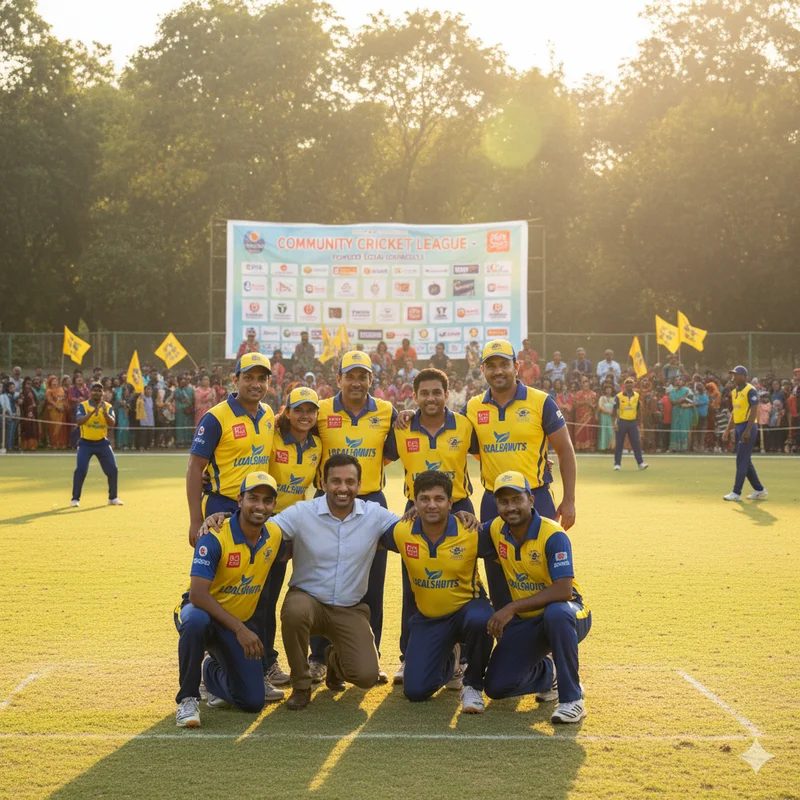
Sponsoring a local sports team can be one of the most impactful – and often missed opportunities - for small and micro businesses to improve brand awareness and trust in the community. Whether it be the neighborhood cricket team, local football club, or a school sporting event, sponsorship of these teams will offer real visibility, connection and engagement on the local level, as well as emotional connection to consumers.
For small and micro businesses in India that rely on local retail customers, sponsoring local sports teams can be even more impactful than paid advertising. If undertaken strategically it can help to solidify a durable brand reputation while strengthening your commitment to the local community. Platforms like LocalShouts help you quickly discover who the local teams are, events, and other local sponsorships or collaborations.
This article will provide you with actionable steps to sponsor local sports teams successfully – from identifying the proper team to maximize visibility and return on investment.
1. Why Sponsoring Local Sports Teams Works
Local sports events create strong emotional connections within communities. People take pride in their teams, and when your business supports them, that pride extends to you.
Benefits include:
- High local visibility: Your brand name appears on jerseys, banners, and event boards.
- Community goodwill: Sponsoring teams shows you care about local development.
- Customer trust: People support brands that support their community.
- Long-term recall: Repeated exposure during matches builds recognition.
For example, a local restaurant sponsoring a cricket team gets repeated exposure every weekend — far more authentic than a billboard.
2. Choose the Right Sports Team for Your Brand
The first step is finding a team that aligns with your target audience and business goals.
Consider these factors:
- Demographics: Who watches or participates? Are they your potential customers?
- Location: Choose a team active in your business area.
- Reach: School, college, or community teams all offer different exposure levels.
- Values: Partner with teams that represent teamwork, discipline, and passion — traits that reflect positively on your brand.
You can find local sports clubs and events on LocalShouts (https://www.localshouts.com) — a platform connecting businesses with local happenings, teams, and organizers.
3. Identify the Type of Sponsorship
Sponsorships differ and you should subscribe to a model that you can afford, which is fitting to the type of brand you represent.
Many sponsorship types but the most common types include:
- Jersey sponsorship: Your company logo is printed on take uniforms.
- Event sponsorship: You are supporting tournaments or matches - your branding will appear on signs and the stage backdrop.
- Equipment sponsorship: You have completed a funding or donation of equipment with your company logo e.g. cricket bats, jerseys, or water bottles.
- Award sponsorship: You sponsor the “man of the match” or “top scorer” awards while your company name is attached to the prize.
Even a smaller sponsorship will go a long way – as long as the sponsorship is done appropriately and creatively.
4. Set Clear Goals for Sponsorship
Before spending money, be clear what sponsorship will get you.
You may have goals like:
- To drive traffic to your café or shop.
- To get more social media followers.
- To build brand recognition in your region or locality.
- To build relationships in schools, colleges or community leaders.
When you have measurable goals, you’ll be able to measure the sponsorship's success later.
5. Create a Professional Sponsorship Proposal
If you want to approach a team or organizer, prepare a simple but professional proposal. It should highlight:
- Who you are and what your business offers.
- Why do you want to support the team?
- How both sides benefit.
- What kind of sponsorship you’re offering (funds, uniforms, prizes, etc.).
Example pitch:
“Hi [Organizer/Coach Name],
I’m [Your Name] from [Business Name]. We love supporting community initiatives and would like to sponsor your team’s upcoming [Tournament Name]. We can provide [details — jerseys, refreshments, awards, etc.], and in return, we’d appreciate including our logo and name on your promotional materials. Let’s discuss how we can make this partnership beneficial for both sides.”
This kind of communication makes your offer clear, respectful, and appealing.
6. Negotiate Visibility Opportunities
Once the team agrees, discuss where and how your brand will appear.
Common options include:
- Jerseys or caps
- Match-day banners
- Scoreboards
- Event tickets
- Announcements during games
- Mentions in local press or event posters
If the event is listed on LocalShouts, make sure your brand is tagged in the event description or photo updates — boosting your online visibility as well.
7. Combine Offline Sponsorship with Online Marketing
By utilizing online channels, you'll stretch the reach of your sponsorship as far as it will go.
Here's how:
- You can post pictures and videos of the team wearing your logo.
- You can post behind-the-scenes stories from events.
- You can run a "#SupportOurLocalTeam" campaign on social media.
Hashtags you may want to include: #LocalSports, #CommunityChampion, and #LocalShoutsPartner.
Don't forget to tag the team, players, and LocalShouts to drive many more eyes.
These posts validate your community support and bring in more followers who value local support.
8. Give the Team and Fans Something Extra
The sponsorship is engaging when you can provide something valuable for teammates, as well as their fans.
Examples:
- Discounts for team members: 10% off on everything in-store.
- Contests for fans: "What do you predict will be the final score?" or "Guess the winner of the match for a free coffee."
- And last, something special for ticket holders / fans" - sharing QR codes directly from links to your LocalShouts listing, offering deals for anyone who happened to attend.
This can enhance the visibility of your brand as well as customer engagement.
9. Track the Results
Sponsorships are investments, and you should know what you’re getting back.
You can measure:
- Footfall increases during the tournament period.
- Social media mentions and engagement.
- New followers or customer inquiries.
- Feedback from players or attendees.
Keep these metrics handy for future sponsorship decisions.
10. Build Long-Term Relationships
The best sponsorships are not one-time deals. Stay in touch with the team after the event — attend matches, repost their wins, and cheer for them online.
When you consistently support a team, you become part of their story — and by extension, part of the local identity. Over time, customers begin associating your brand with trust, loyalty, and community pride.
You can even highlight your sports partnerships on your LocalShouts profile to attract new opportunities.
11. Explore Cross-Promotion Opportunities
You can also team up with other local sponsors for greater reach. For example:
- A bakery and a juice bar co-sponsoring a cricket team.
- A local clothing store provides jerseys while a café handles refreshments.
This approach builds a network of community-driven businesses supporting each other. Platforms like LocalShouts can help connect such partners and event organizers easily.
12. Be Authentic — Not Just Promotional
Remember: people can sense when a sponsorship is purely for marketing. Make sure your involvement feels genuine.
Instead of just putting your logo everywhere, talk about why you’re supporting the team. Maybe it’s because your shop owner used to play cricket in school, or because you believe sports teach discipline and unity.
This authenticity makes your brand story more human — and more memorable.
13. Sponsor Youth and School Teams
You don’t always need to go big. Supporting youth or school teams is cost-effective and high-impact. Parents, teachers, and local families all see your brand in a positive light.
Moreover, young athletes often post about their matches online — giving you free exposure on social media.
You can find youth or school-level sporting events listed on LocalShouts, making it simple to choose where to contribute.
14. Celebrate and Share Success Stories
Once your sponsored team wins or performs well, celebrate it like it’s your own victory.
- Post congratulatory messages.
- Display team photos in your shop.
- Offer small gifts or free meals to the players.
This emotional connection strengthens brand loyalty — people love supporting businesses that celebrate local heroes.
Conclusion
Sponsoring local sports teams is not just a marketing tactic — it’s a way to be part of your community’s story. It builds deep relationships, trust, and brand love that money alone can’t buy.
By partnering with teams through LocalShouts, small and micro businesses across India can find genuine opportunities to showcase their brand, connect with the right audience, and grow through local pride.
Start small, stay consistent, and watch your brand become a familiar name both on the field and in your neighborhood.
FAQs
1. How do I find local sports teams looking for sponsors?
You can use platforms like LocalShouts to discover local sporting events and reach out directly to organizers or coaches.
2. What’s the minimum budget for sponsoring a team?
It depends on the event size — small teams may accept sponsorships as low as ₹5,000–₹10,000 for jerseys or refreshments.
3. Can service-based businesses sponsor sports teams?
Yes! Gyms, salons, restaurants, or even coaching institutes can sponsor local teams and gain exposure.
4. How can I promote my sponsorship online?
Share event photos, tag the team, and highlight your community support on LocalShouts, Google My Business, and social media.
5. Is sponsoring school teams effective for business growth?
Absolutely. Parents and families notice your brand, creating strong word-of-mouth promotion.
6. How often should I sponsor events?
Aim for consistency — sponsoring 2–3 events a year helps build steady recognition without overextending your budget.


