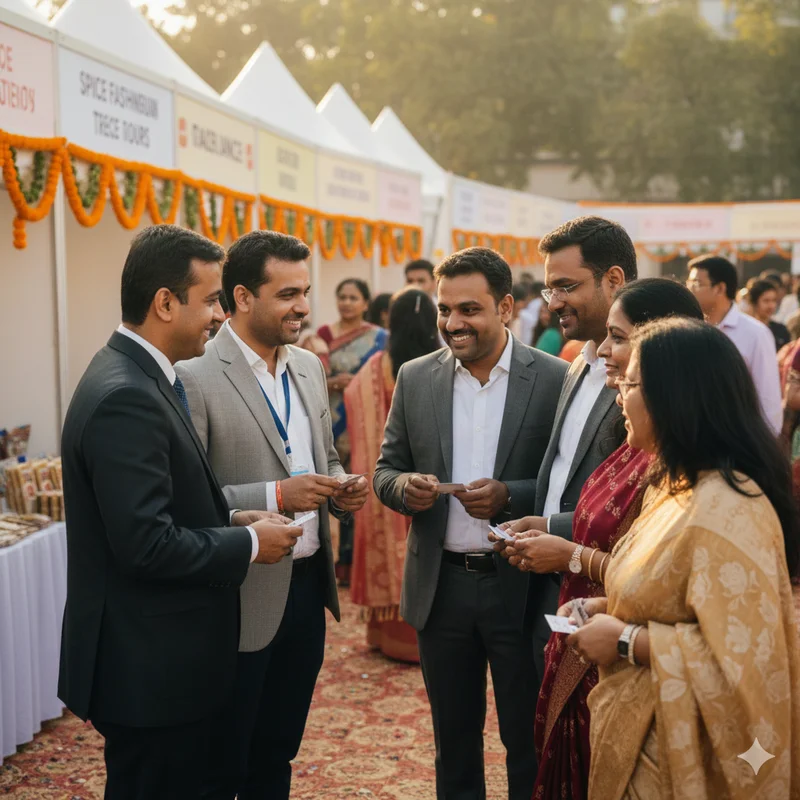
Introduction
Whenever possible, I encourage you to attend an event or travel to meet with others. Whether you own a café, a boutique, a local manufacturer, or a digital agency, building relationships with the right people can lead to new and innovative opportunities for growth. Every gathering—whether a workshop, a cultural festival, a trade fair, or a pop-up shop—can be more than an event to simply showcase your products or services. With the right approach, it can be a beneficial networking opportunity in a local environment that can allow your business or brand to expand its reach. In today’s face-to-face challenged society with the overwhelming presence of online communication, platforms such as LocalShouts (https://www.localshouts.com) are beginning to address this challenge by connecting event organizers and entrepreneurs, physical and digital, in cities and towns. Incorporating in-person engagement with a strong digital presence to introduce small businesses as platforms for engagement, collaboration, partnership, and other relationship development. Let’s take a look at how to make your next event not only productive but also an incredible and meaningful experience as a hub for networking and opportunity.
The Power of Networking for Small and Micro Businesses
For small business owners, networking is often the difference between stagnation and success. In India’s competitive local markets, personal relationships still play a key role in driving growth. Networking helps businesses:
- Build visibility: More people know about your brand when you engage in local events.
- Create collaborations: Meet potential partners, suppliers, or even customers who can help your business grow.
- Gain referrals: Word-of-mouth from trusted community members can lead to more sales.
- Learn from others: Every conversation is a chance to discover new strategies and insights.
The beauty of networking lies in its simplicity — it’s about human connections. An event provides the perfect environment for these connections to happen organically.
Start by Choosing the Right Type of Event
Not every event is suitable for networking. The first step is to identify gatherings where meaningful interactions can take place.
Here are some examples of events that work well for networking:
- Workshops and seminars: Ideal for professionals and entrepreneurs to share ideas.
- Trade fairs and exhibitions: Great for showcasing products and connecting with vendors or customers.
- Community events or festivals: Perfect for local businesses targeting neighborhood audiences.
- Pop-up markets: Encourage collaboration between small business owners and local customers.
- Meetups or panel discussions: Help professionals connect over shared interests.
By listing your event on LocalShouts (https://www.localshouts.com), you can attract people who are genuinely interested in community and business development, ensuring that every attendee has networking potential.
Plan Your Event for Engagement
The layout of your event can have a big impact. Instead of just focusing on a session to sell or report, create spaces and activities to facilitate conversation.
Here are some ways to do all of this:
- Open up the space: Avoid tightly arranged seating or tables. Open spaces lead to more informal conversations.
- Have networking breaks: Include short breaks in between sessions, so people can mix.
- Name badges: Simple name badges that have individuals’ names and their business titles can facilitate introductions.
- Interactive sessions: Instead of a long speech, put in a Q&A session, or discussion panel.
- Group activities: Include some form of fun games or mini-challenges that bring people together to work together.
The goal is to make participants feel comfortable enough to engage in conversations. When someone feels engaged, the networking process comes naturally.
Leverage Digital Tools to Enhance Engagement
In today’s context, networking doesn’t just have to happen at the event.
Digital tools give participants an opportunity to connect before, during, and after the event.
You can try:
- Event WhatsApp or Telegram groups to allow participants to connect before the event.
- Google Forms or Event registration pages that participants can fill in, and you can share after the event.
- Social media hashtags (such as #ChennaiBusinessMeet, or #DelhiFoodFest) to facilitate event conversations.
- QR codes on each participant's badge to link to their LinkedIn profile or their business website.
Utilizing a service like LocalShouts can be a strong advocacy. When you take your event online, you're showcasing it to a much larger audience - not just in your city, but in towns around you. It also allows you to have a digital footprint that can potentially generate interest after your event wraps up.
Attract the Right People
Networking is not just about numbers — it’s about quality connections. The success of your event depends on who attends.
Here’s how to attract the right audience:
- Partner with LocalShouts (https://www.localshouts.com) to promote your event to business owners, creators, and community leaders.
- Invite relevant speakers or industry experts who can attract other professionals.
- Offer early-bird or VIP passes to serious participants.
- Highlight in your marketing that the event is designed for business networking and collaboration.
The more relevant your audience, the more valuable your networking outcomes will be.
Encourage Participants to Connect
Even with a proper arrangement, some individuals may still feel reluctant to network. As the event organizer, it is important to decrease the barriers that attendees have to connecting with one another.
Here are some ideas for promoting engagement:
- Begin with an icebreaker activity that allows participants to have conversations with one another.
- Organize a “speed networking” event where participants meet multiple people in a quick social fashion.
- Advise every participant to provide a brief introduction about themselves.
- Establish a “Networking Wall” for participants to leave business cards or flyers.
Small steps such as these can help participants to feel a sense of belonging in a community, instead of just an audience.
Highlight Local Business
Moreover, your event can also be an opportunity to help showcase some local talent and entrepreneurship. You may want to invite small business owners to set up a stall, pass out brochures, or tell their story during the event.
You can even set aside a brief “business spotlight” opportunity for selected participants to talk about their product or service. Not only will this allow for more visibility, but it may also foster opportunities for attendees to collaborate together.
Having your event featured on LocalShouts (https://www.localshouts.com) will increase the chances of these local businesses being discovered by customers and media.
Leverage Social Media for Networking
Social media is a powerful tool to extend the networking experience beyond the event venue. Encourage attendees to:
- Tag the event location and organizer on Instagram, Facebook, and LinkedIn.
- Share photos with a common event hashtag.
- Post testimonials or experiences after attending.
- Follow and connect with other participants online.
This online interaction helps your event live on digitally, creating ongoing visibility for your brand. It also helps attendees remember each other and continue conversations long after the event.
Collaborate with Local Influencers and Media
To maximize your event’s reach, collaborate with local bloggers, social media influencers, or journalists. Invite them to attend and share the event highlights. Their posts and stories can attract attention from a broader audience and help position your event as a must-attend local gathering.
You can also reach out to local newspapers and community websites for coverage. Many media outlets love featuring small business success stories and community-driven initiatives.
If your event is listed on LocalShouts, it already has a better chance of catching the attention of media and influencers who track trending local activities.
Follow Up After the Event
Networking doesn’t end when the event concludes — it’s just the beginning. The key is to maintain those new connections.
After the event:
- Send a thank-you message or email to attendees.
- Share event highlights, photos, or videos.
- Connect with people on LinkedIn or WhatsApp.
- Send a short survey asking for feedback.
- Keep them updated about your next event or collaboration opportunities.
Staying in touch helps convert casual introductions into lasting professional relationships.
Encourage Future Collaboration
Once people have connected through your event, offer them ways to continue engaging. You can:
- Host monthly meetups or online sessions.
- Create a shared Facebook or WhatsApp group for attendees.
- Encourage them to list their future events on LocalShouts, helping the local community stay connected.
- Organize co-branded pop-up fairs or skill-building workshops.
By maintaining continuity, your event becomes a foundation for an active business network rather than a one-time gathering.
Track Networking Success
To measure how well your event worked as a networking platform, evaluate key outcomes such as:
- How many new business relationships were formed?
- How many collaborations or partnerships were initiated?
- What kind of social media engagement did the event receive?
- Did attendees express interest in future networking events?
Analyzing these results helps you refine your future events and strengthen your local business community.
The Role of LocalShouts in Building Networking Events
Platforms like LocalShouts (https://www.localshouts.com) are transforming how small businesses in India connect and grow. By listing your event on LocalShouts, you can:
- Promote it to verified local audiences.
- Gain visibility from nearby businesses and entrepreneurs.
- Get featured in community event listings that media outlets and influencers monitor.
- Encourage collaborations with other organizers and local professionals.
Whether you’re planning a small workshop or a city-wide trade fair, LocalShouts ensures that your event reaches the right people — both online and offline.
Conclusion
Networking is the lifeline of business growth, especially for small and micro entrepreneurs in India. Turning your event into a networking opportunity means creating a space where people can connect, collaborate, and build trust.
By planning strategically, using digital tools, and promoting your event through trusted platforms like LocalShouts (https://www.localshouts.com), you can transform any event into a bridge of opportunities. Every handshake, conversation, and collaboration made during an event can shape your business journey in meaningful ways.
Remember — events may last a day, but relationships built through them can last a lifetime.
FAQs
1. Why is networking important for small businesses?
Networking helps small businesses expand their reach, gain referrals, find collaborators, and learn from other entrepreneurs.
2. How can LocalShouts help promote my networking event?
LocalShouts lists and promotes your event to local audiences, helping you attract the right people for meaningful business connections.
3. What kind of events work best for networking?
Workshops, trade fairs, pop-up markets, and community gatherings are great for networking as they bring like-minded people together.
4. How can I encourage attendees to interact during an event?
Use icebreakers, discussion sessions, and networking zones where participants can meet and exchange ideas freely.
5. How do I follow up with people after an event?
Send thank-you emails, connect on social media, and invite them to future events or community groups.
6. Can digital platforms really help small-town businesses network?
Yes! Platforms like LocalShouts bridge the gap between local businesses and audiences, helping them connect digitally and grow collectively.


