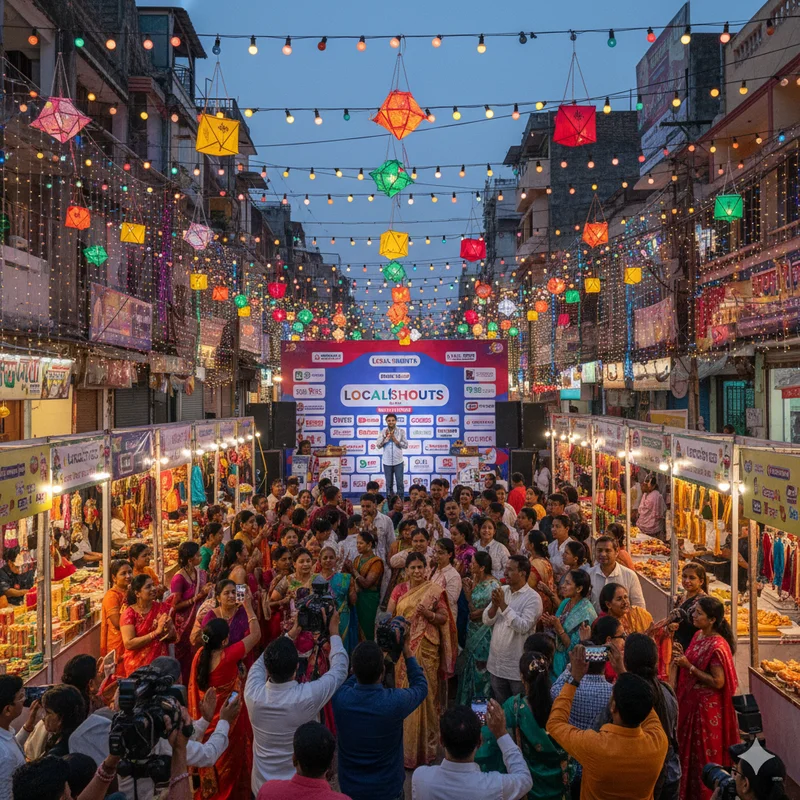
Introduction
When you plan a community event — a café launch, charity run, school fair or a showcase for your small business — the most difficult thing you have to do is to get people to actually come. You can use online tools like Google My Business, Instagram, and platforms like LocalShouts to generate the buzz, but one of the great underused secret weapons for getting people out to a local event is local media.
Local newspapers, FM stations, regional blogs and online news and community news websites can still create incredible impact upon local audiences in India. They connect businesses and events to real people — especially those who are not following your social pages, but still engage with local news and happenings.
In this article, we will highlight how local media can help increase attendance to community events for small and micro businesses, discuss why traditional media matters, and imagine how tools like LocalShouts can build the bridge from your event to your audience.
1. Why Local Media Still Matters
Despite the boom of social media, local media continues to hold the trust of communities. In smaller cities and towns, people rely on local news outlets for updates about events, openings, and local success stories.
Here’s why it works so well:
- Trust & Familiarity: Local newspapers and radio hosts are part of people’s daily lives. When they mention your event, it feels like a personal recommendation.
- Localized Reach: National media is too broad, but local outlets target your exact city or neighborhood.
- Offline Audiences: Many people — especially older generations — aren’t very active online but regularly read or listen to local media.
By collaborating with local media, your event gains credibility and visibility beyond your usual customer base.
2. The Different Types of Local Media
Understanding which type of local media to approach helps you plan smarter promotion strategies.
a) Local Newspapers
Still one of the most trusted mediums in India. From city editions of Times of India or Hindustan Times to smaller publications like Pune Mirror or Delhi Mid-Day, these papers often feature event listings or local happenings.
b) FM Radio Stations
Radio stations such as Radio Mirchi, Red FM, and Big FM have dedicated community bulletin sections. They can help you announce your event multiple times a day, reaching listeners during commutes.
c) Regional TV Channels
Channels that focus on city or state-level news are ideal for cultural festivals, public drives, or large community gatherings.
d) Local Blogs and News Websites
Many digital news outlets or city-focused websites (like YourStory Local or WhatsHot) cover business openings, food festivals, and neighborhood events.
e) LocalShouts (https://www.localshouts.com)
This platform acts as a bridge between businesses and the community by listing and promoting local events, reaching audiences both online and through connected digital communities.
3. How Local Media Drives Event Attendance
The influence of local media lies in its ability to amplify your reach while giving your event legitimacy.
a) Builds Awareness: A mention in the local paper or a radio plug can reach thousands who might never see your social media ads.
b) Creates Credibility: When a trusted journalist, RJ, or publication highlights your event, it signals that your event is worth attending.
c) Increases Local Engagement: Local audiences love supporting nearby events. A story about “a new artisan fair in town” feels personal and relatable.
d) Boosts Digital Search Visibility: When local blogs or newspapers write about your event, those articles often show up in Google search results — giving you long-term online visibility.
4. How to Engage Local Media with Your Event
To engage them, you will need to tell your story with a news-friendly approach: the more unique the angle the better – not another promotional announcement.
Here’s how to get started:
Create a strong story angle:
Rather than say “We are putting on a café event,” say “Local café offers the community an eco-cafe experience.”
In other words, come at why it is unique – is it special in terms of sustainability, innovation, supporting charity, or local pride?
Write a short press release:
Include the following:
Name, date, and where the event is
Why it is unique
A quote from the organizer
Relevant high quality photos
Send it to local editors of newspapers, radios, and bloggers.
Use LocalShouts to Help Leverage Discovery: First, list your event on LocalShouts (https://www.localshouts.com). Lots of journalists and community bloggers look at LocalShouts for some upcoming events they can feature.
Offer free media passes: Depending on your event, you may wish to invite local journalists or RJs to attend your café for free. Allow them to experience the café in person and they are more likely to write a story.
Cultivate relationship: Continue engaging with media professionals, provide regular updates in order to have access to consistent media attention for your events.
5. Combining Local Media with Digital Tools
Local media creates awareness, but digital tools help sustain engagement. Combine both for maximum results:
- Use LocalShouts to list and promote your event online.
- Share the newspaper or radio mentions on your social media pages.
- Use Google My Business to post updates about your event.
- Encourage attendees to leave reviews after the event to build long-term trust.
Example:
A small restaurant in Pune listed its event “Tandoor Nights” on LocalShouts, got featured in a local blog, and shared that article on Instagram. The combination of offline credibility and online sharing brought them 2x more walk-ins.
6. Leveraging Radio for Instant Visibility
Radio still has a massive local impact. Many Indian listeners tune in daily while commuting or working. Here’s how you can make radio work for your event:
- Short Ads: Run 15–30 second ads with event details.
- Talk Segments: Offer to do a short interview with the RJ about your event’s purpose.
- Giveaways: Sponsor small contests like “Win free passes to this weekend’s local food fest!”
- Mentions Through Partnerships: Partner with radio sponsors for joint coverage.
A mention during drive-time hours can bring immediate awareness and footfall.
7. Use Local News Websites and Influencers
Digital local news sites usually have a strong readership and SEO. They can publish a quick article or a listing about your event.
Tips:
- Send them your LocalShouts listing link.
- Include high-quality photographs and a quote for a press release.
- Offer them exclusives — early access, or interviews.
Also, you can work with micro-influencers who constantly publish about city events.
Together, this generates online buzz and offline participation.
8. Using LocalShouts To Make Your Event Easier for Media to Find
When you partner with LocalShouts, your event not only is more discoverable for the public, but media and influencers can find it easier, as well.
Here are four areas to highlight how LocalShouts complements local media initiatives:
- Acts as a central link to your event information.
- Makes it easy for journalists to find verified local events.
- Creates backlinks and social signals to rank higher on Google.
- Offers an opportunity for attendees to RSVP and provide organic social sharing for your event.
In short, LocalShouts makes your event easy to cover in the media — clean, verified, and shareable.
9. Measuring the Impact of Media Coverage
After your event, analyze what worked best.
Track:
- How many attendees heard about you through media mentions.
- Website or LocalShouts page visits before and after coverage.
- Social media engagement after articles or radio features.
- Post-event buzz and reviews.
Use these insights to refine your future media collaborations.
10. Building Long-Term Media Relationships
Don’t stop after one event. Consistent relationships lead to repeated coverage.
- Thank journalists and radio hosts after the event.
- Tag them on social media posts.
- Keep them updated about future activities.
- Offer them stories of community impact (not just promotions).
Over time, they’ll start seeing your brand as a trusted part of the local business community.
Conclusion
Local media remains one of the most powerful yet underutilized tools for boosting event attendance in India. Whether it’s a small-town newspaper, a local FM station, or an online community blog, these platforms can turn your event into a community highlight.
By combining traditional coverage with modern digital tools like LocalShouts, small and micro businesses can achieve wide visibility, attract genuine local audiences, and strengthen their community presence — all without heavy marketing budgets.
In the end, the key to event success isn’t just planning it well — it’s promoting it smartly, with the right local connections and the right platforms.
FAQs
1. Why is local media important for event promotion?
Local media connects directly with the community and builds trust. It helps your event reach audiences who are genuinely nearby and likely to attend.
2. How do I contact local journalists for coverage?
Look for email addresses or social handles on their official websites. Send a short, personalized pitch with your event details and story angle.
3. Can small businesses afford local media promotions?
Yes, many local outlets offer affordable packages or free event listings, especially if your story benefits the community.
4. Does LocalShouts work with local media outlets?
Yes, LocalShouts partners with local journalists and blogs to feature interesting events and stories across cities in India.
5. What’s the best time to promote an event through local media?
Ideally, start 2–3 weeks before your event. Give media outlets enough time to publish and promote your story.
6. How can I measure if media coverage helped my event?
Monitor attendance numbers, social media mentions, and website traffic spikes after your event appears in local media.


