Introduction
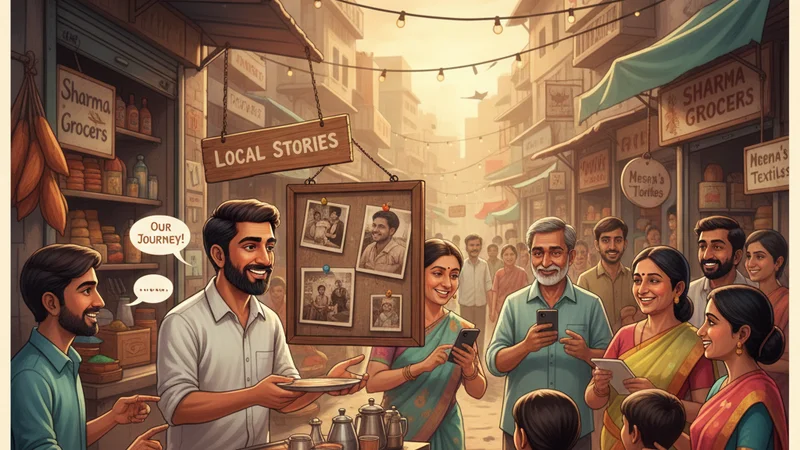
In India, each lane, bazaar, and street has a story to tell. From the generations-old chai stall to the home-based craftsman who makes stunning goods from the ground up, every business brings something special to its neighborhood. Still, most small and micro businesses tend to overlook one very important fact — humans relate more strongly to stories than to advertisements.
Community storytelling is not only promotion; it's about connection. It's reminding customers that your business is part of their neighborhood, their lives, and their experiences. Whether you have a small café, tailoring business, or repair shop, telling your community stories online can have a profound effect on engagement and trust.
Sites such as LocalShouts (https://www.localshouts.com) provide opportunities for small business owners to share these stories, connect with local audiences, and develop a loyal base that truly cares about their story. Let's see how sharing community stories can help transform your local business into a caring brand that customers love and support.
Why Community Stories Matter for Small Businesses
Each company has something special to give — a start, a mission, or a lesson gained. But why community stories are so compelling is because of their genuineness. Customers now want genuine, human-level connections. They're interested in who's running the business, what obstacles they overcame, and how they're helping their community.
Here's why these stories are important:
- They create emotional connections: Individuals are more likely to remember a story than an ad. A heartwarming story of how you began or assisted a neighborhood client will remain etched in their minds.
- They build brand identity: Telling your neighborhood story lends your brand a voice and personality that individuals can connect with.
- They inspire word-of-mouth marketing: When individuals feel emotionally invested, they spread your tale to others.
- They boost online visibility: Search engines love genuine, locally relevant content. Sharing your story on platforms like LocalShouts (https://www.localshouts.com) can help your business appear in local searches.
Community storytelling isn’t just content — it’s your reputation, your voice, and your connection to the people who keep your business alive.
Understanding What a Community Story Is
A community tale is an actual-life story which relates your company to the people you are surrounded with. It can be centered around:
- How your company began
- Your relationship with loyal customers
- Local occasions or festivals you have sponsored
- Employees who have worked for you for years
- Social causes you've worked on in your locality
For instance, if your bakery in Pune gives away leftover pastries to an orphanage in the neighborhood, that is something people want to hear about. If your tailoring business in Jaipur began as a small family venture and today trains young women from your community, that is a compelling community story.
These stories motivate, interest, and motivate people to invest in your company when told correctly.
Selecting the Best Stories to Tell
Not all stories will resonate the same way emotionally, so it's critical to select the right ones. This is how you can select stories that really resonate with your audience:
- Be authentic: Steer clear of overly polished or hyperbolic stories. True stories are more powerful than scripted ones.
- Illustrate local significance: Folks enjoy hearing about what's going on in their own backyard — reference local landmarks, holidays, or familiar characters.
- Emphasize good impact: If your company has assisted someone or made an impact, brag about it.
- Don't forget to keep your audience in mind: Consider what your customers are interested in — whether culture, quality, or community service.
Keep in mind that your mission is not to wow, but to instill trust and rapport.
How to Gather Community Stories
Sometimes the greatest stories are right before your eyes — in your day-to-day interactions. Below are a few methods for collecting valuable stories from your community:
- Speak with your customers: Ask them how they found your business or why they return.
- Employees: Highlight their hard work, development, or dedication.
- Special moments: Celebrations, store anniversaries, or milestone customer achievements are perfect for storytelling.
- Partner with other small businesses: Collaborative projects or collaborative ventures can be motivational community stories.
You can even ask customers to narrate their experiences on your LocalShouts (https://www.localshouts.com) page. These reviews not only make wonderful stories but also enhance your online reputation.
How to Share Your Community Stories
After collecting stories, it's time to share them in a manner that motivates people. Here's how to do it effectively:
- Use photos and videos: Visual storytelling is far more powerful than text alone. A simple image of your team or a short video can add authenticity.
- Keep it conversational: Write your story as if you’re talking to a friend. Avoid overly formal language.
- Include quotes: Real voices — from customers, employees, or partners — make stories believable and relatable.
- End with a message: Every narrative must have a takeaway, like appreciation, community pride, or hope.
Example:
Don't say, "We celebrated Diwali at our store," say, "This Diwali, we lit not just diyas, but hearts — with our customers, team, and neighborhood friends who've supported us for years."
That's how emotional storytelling works — it connects beyond business.
Where to Share Your Community Stories
Visibility is the secret to engagement. Here are the places you can post your stories for maximum effectiveness:
- Your Website: Create a "Community Stories" or "Our Journey" page. It makes visitors understand your brand's personality.
- Google My Business: Update, picture, or milestone directly posted. They boost local search visibility.
- Social Media: Post snippets on Facebook, Instagram, or WhatsApp Business. Use local hashtags to reach your people.
- LocalShouts (https://www.localshouts.com): It's meant to showcase small and micro enterprises. You can post your stories, get found by nearby users, and build engagement seamlessly.
- Email Newsletters: Send out month-to-month updates with your latest stories and customer spotlights.
Consistency is key. The more often you post, the more engaged your community becomes.
How LocalShouts Helps You Share Your Story
LocalShouts (https://www.localshouts.com) is not a listing site — it's a storytelling platform for micro and small businesses in India. When you create your profile, you can:
- Highlight your business story and achievements
- Share testimonials from customers and real-life stories
- Upload photos and updates that mirror your presence in the community
- Get found by people around you searching for local businesses
- Establish digital trust through genuine interaction
For companies that don't yet have a fully-fledged website, LocalShouts is a digital storefront — a place to show not only your products or services but your story, values, and purpose.
In a world dominated by the digital, where trust is the key, LocalShouts provides local entrepreneurs with the voice they deserve.
Tips for Crafting Engaging Community Stories
These are some best practices to create engaging community stories:
- Begin with feeling: Begin with an engaging issue, emotion, or experience.
- Add images: Incorporate images or short clips that display actual moments.
- Keep it concise but meaningful: Strive for 200–300 words per story to maintain reader engagement.
- Include names of communities: Naming local communities such as "Lajpat Nagar" or "MG Road" provides authenticity and increases local SEO.
- Use consistent brand: If you're posting stories consistently, employ a consistent tone, logo placement, or color scheme.
- Encourage interaction: End stories with a call to action — “Share your experience,” or “Visit us this weekend.”
The goal is not to sell but to connect — and the more relatable your content feels, the higher your engagement will be.
Examples of Community Stories That Inspire
Let’s look at a few examples of how Indian small businesses are using stories to connect:
- A saree boutique in Varanasi posts images of weavers and mentions how each saree benefits artisan families.
- A bakery in Bengaluru posts weekly tales of customers marking birthdays or anniversaries at their café.
- A barber shop in Ahmedabad posts status updates about supporting underprivileged children by providing them free haircuts before schools reopen.
Each of these anecdotes touches hearts because they are about people, not products. That's what makes community storytelling work — it honors humanity and community.
Creating a Long-Term Engagement Strategy
In order to integrate community storytelling into your marketing efforts, consistency is key. Here's how to create a long-term plan:
- Build a story calendar: Schedule a story each week or each month.
- Collect visuals regularly: Keep photos and short videos from daily interactions.
- Involve your team: Encourage employees to share ideas or experiences for upcoming posts.
- Monitor engagement: Track likes, comments, and shares to see what works best.
- Evolve your storytelling: As your business grows, update your audience with new milestones.
Over time, your stories become your brand’s history — something no competitor can copy.
The Role of Local SEO in Storytelling
When you post local stories, you're also enhancing your online visibility. Google appreciates local relevance, keywords, and authenticity. For instance, if you own a café in Nashik and post about your "special Misal Pav available near College Road," that local mention makes your business appear in local searches.
By publishing your stories on LocalShouts (https://www.localshouts.com) and your Google My Business listing, you automatically build your local SEO profile — that is, more individuals will discover you when looking for services in your locality.
Engaging Your Customers
Community storytelling is that much more effective when customers take part. You can:
- Ask them to post about their experiences on social media and mention your business.
- Share their testimonials or stories on your LocalShouts account.
- Make a "Customer of the Month" post with a brief background.
- Ask them to review with personal experience or photos.
When customers turn into storytellers, your engagement becomes many times more — because people love hearing about other people rather than a brand.
Measuring the Success of Your Community Stories
How do you know that your storytelling is successful? Measure these important indicators:
- Boosted engagement: More likes, shares, comments, or replies on your posts.
- Increased visibility: More website visits or discoverability on LocalShouts and Google.
- Customer word-of-mouth: Individuals referencing your stories upon visitation or calls.
- Community engagement: Locals inquiring about collaborations or events.
Within time, you'll find your business is a local favorite — not for what you're selling, but for what you stand for.
Conclusion
Ultimately, storytelling is about people — the hearts you touch, the connections you make, and the pride you build in your community. Indian small and micro businesses have one of the richest storytelling environments in the world — rich with tradition, resilience, and hope.
When you share your neighborhood stories using platforms such as LocalShouts (https://www.localshouts.com), you're not only promoting your business — you're building memories, earning trust, and motivating others in your community.
Begin today. Seize that moment when a long-time customer comes in, when your crew accomplishes a milestone, or when your business makes a difference for society. Each little story has the potential to make a great impact when it comes to creating an active, loyal, and giving community around your brand.
FAQs
1. What are community stories in business?
Community stories are authentic tales that demonstrate how a business engages with and gives back to its neighborhood community. They point out relationships, values, and social benefits that transcend products or services.
2. In what ways can community stories assist in marketing?
They create emotional bonds, increase brand trust, and bring in loyal customers who value authenticity. Community stories also increase local SEO and web presence.
3. Where can I post my community stories?
You can post them on your website, Google My Business listing, social media sites, and most effectively on LocalShouts (https://www.localshouts.com) — which promotes small and micro enterprises throughout India.
4. How frequently should I post community stories?
Once or twice a month is best to maintain engagement regularly. You can ramp up frequency during festivals or special occasions.
5. Do I require professional writers for community storytelling?
Not necessarily. Truly personal stories in your own words tend to connect more deeply than slick, corporate versions. Plain language and sincere feeling are most important.
6. Can storytelling boost my Google rankings?
Yes. Locally targeted content with good keywords and authentic engagement signals can enhance your search visibility over time.


